

Why Do Teenagers Sleep Longer on Weekends? | The Study on Weekend Catch-up Sleep |
Why Moderate Sleep Catch-up is the Sweet Spot? | How Teens Can Improve Their Sleep
Overview
Did you have a hard time getting your teenagers to get out of bed over the weekend? If this is the case with you, you are not alone!
Many teens prefer to get a little more sleep on weekends. A recent study may prompt you to reconsider your stance on the matter if you're the type of parent who believes in maintaining a consistent schedule for your kids, even on weekends.
Let us explore this study together!
Why Do Teenagers Sleep Longer on Weekends?
It is no secret that most teenagers get less sleep than they usually should during the week.
The American Academy of Sleep Medicine recommends 8 to 10 hours of sleep for teens.[2] Still, many of them do not get these hours.
Experts believe that inadequate sleep may be due to busy school schedules, after-school activities, part-time jobs, and excessive screen time.
According to the CDC's (Centers for Disease Control) data, only 23% of high school students get enough sleep on school nights. Many teens make up for their sleep loss by staying in bed longer on weekends.[3] But, is this behavior healthy? Could those lazy Sunday mornings benefit them, especially in terms of their mental health?
A new study presented at SLEEP 2025, the premier sleep research conference, suggests that moderate weekend catch-up sleep may provide a significant mental health benefit. Teenagers may feel less anxious and depressed if they sleep in on the weekends for up to two extra hours.
The Study on Weekend Catch-up Sleep
In a remarkable study, researchers at the University of Oregon investigated whether extending sleep duration on weekends can help compensate for weekday deficits.[1]
Previous research had found that insomnia, which is now common among teenagers, was associated with increased anxiety and depressive symptoms.[4] The scientists wanted to see if sleeping more over the weekend could help these symptoms.
The researchers examined data from approximately 1,900 teenagers (average age 13.5) who participated in the Adolescent Brain Cognitive Development (ABCD) Study.[1]
Using Fitbit devices to track sleep objectively, researchers determined how much sleep teenagers get on weekends compared to weekdays, known as weekend catch-up sleep (WCS). They also used standardised psychological assessments to detect internalising symptoms such as anxiety and depression.
After evaluating all of the data, the findings were surprising. The study showed that teens who got 0 to 2 hours of additional sleep on weekends reported fewer internalizing symptoms than those who didn't sleep at all.
However, the benefit didn't increase with more sleep. In fact, teens who slept more than 2 hours extra on weekends showed a slight increase in symptoms, which suggests that changing sleep habits too much might not be a good idea.

Why Moderate Sleep Catch-up is the Sweet Spot?
Sojeong Kim, the study's lead author and a PhD student in the University of Oregon's clinical psychology department, states that getting too little or too much sleep on weekends can be detrimental to one's health.[3]
"Not getting enough sleep or getting too much sleep from one day to the next may make the symptoms someone is trying to fight, like physical or mental fatigue and anxiety, worse, Kim said."
This "sweet spot" of up to two hours more sleep on weekends may be a healthy and adaptable way for the body to recover from insufficient sleep during the week without disrupting its natural rhythm. Getting extra sleep is beneficial, but sleeping for half the day may not be the best idea, as it disrupts your internal clock.
How Teens Can Improve Their Sleep
Getting better sleep does not need a massive lifestyle overhaul. With a few conscious steps, teens (and their parents) can improve their sleep and mental health. Here's how:
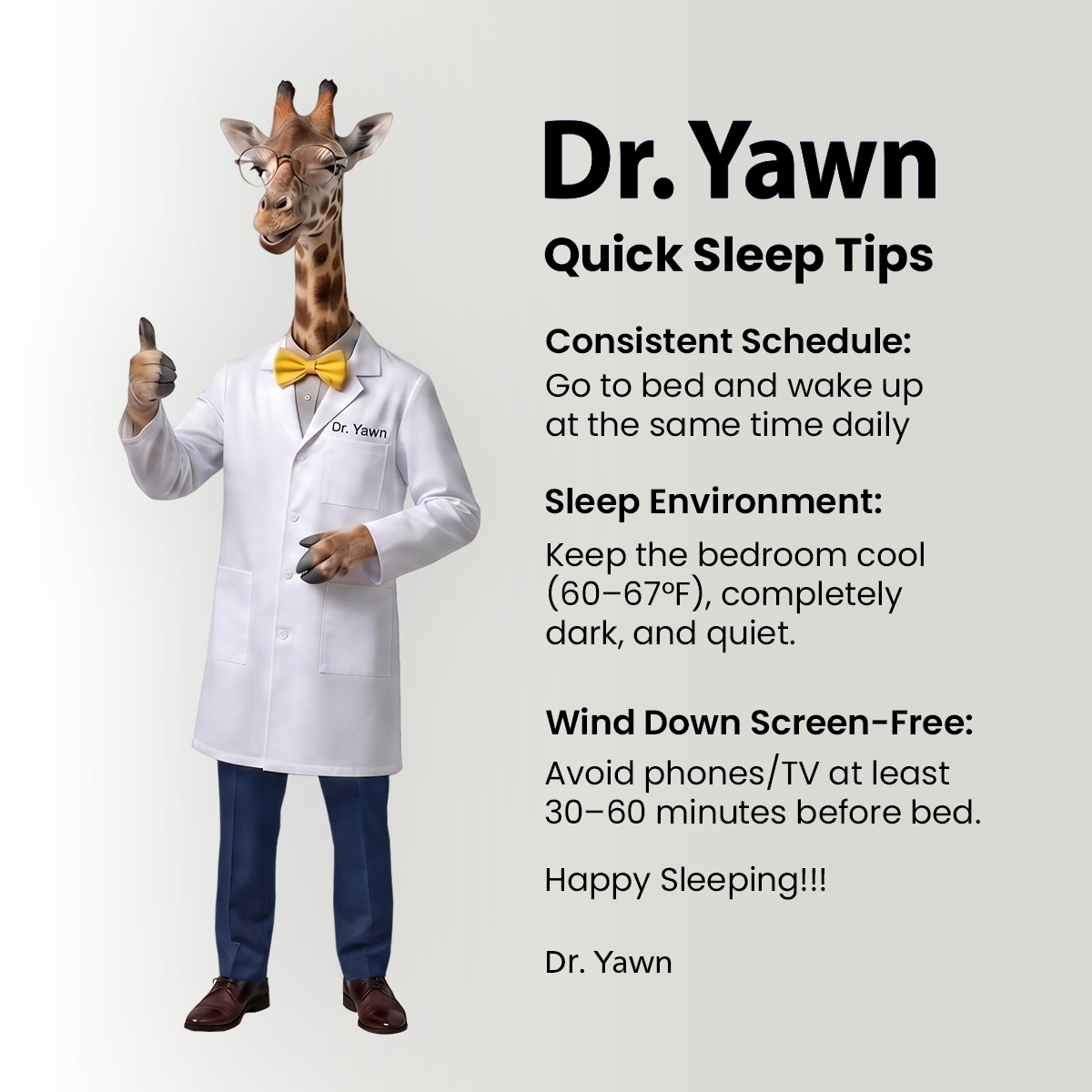
- Maintain a Regular Sleep Routine: Try to go to bed and wake up at approximately the same time every day, including weekends. If you sleep in on the weekends, try not to sleep more than 1–2 hours later than you do on weekdays. This routine helps maintain your body's clock in sync.
- Create a Calming Bedtime Routine: Unplug from screens at least 30–60 minutes before bed. Instead, wind down with quiet activities like reading, journaling, or listening to relaxing music.
- Make Your Bedroom a Good Place to Sleep: Ensure your room is dark, cool, and quiet. If you need to, use an eye mask or blackout curtains. To filter out sounds, try white noise or earplugs.
- Limit Caffeine and Heavy Meals at Night: Avoid soda, coffee, energy drinks, and greasy, hard-to-digest food, particularly before bedtime. They can interfere with your ability to initiate sleep and remain asleep.
- Don't Rely on Weekends to Compensate for Lost Sleep: While moderate catch-up sleep (up to 2 extra hours) can help, it's not a long-term solution. Instead, focus on improving your weeknight sleep to avoid feeling drained in the first place.
Importantly, teens should pay attention to how they feel. It could be more than just "not enough sleep" if they often feel exhausted, anxious, or have trouble with mood or focus. Encourage them to talk to a parent, teacher, doctor, or counselor. They can help your teen understand what's going on and assist them in making healthy changes.
What's the Takeaway?
Yes, weekend catch-up sleep can help teenagers avoid depression if done in moderation. However, there is a limit to this benefit, and it is not an excuse to overwork from Monday to Friday.
Reference:
- Sojeong Kim , Jason Carbone , Melynda Casement. (2025, May 19). The Sweet Spot of Weekend Catch-Up Sleep: A Protective Factor Against Depressive Symptoms? Oup.com. https://academic.oup.com/sleep/article/48/Supplement_1/A115/8136037
- Teen Sleep Duration Health Advisory. (2016, April 3). Aasm.org. https://aasm.org/advocacy/position-statements/teen-sleep-duration-health-advisory/
- American Academy of Sleep Medicine. (2025, June 13). Sleep-in science: How 2 extra weekend hours can calm teen anxiety. Science Daily. https://www.sciencedaily.com/releases/2025/06/250613013854.htm
- Khurshid K. A. (2018). Comorbid Insomnia and Psychiatric Disorders: An Update. Innovations in clinical neuroscience, 15(3-4), 28–32.https://pmc.ncbi.nlm.nih.gov/articles/PMC5906087/