

Why Sleep Matters For Teens | The Study | Why Does the Study Matter? | Why the Connection between Insomnia and Elevated Blood Pressure? | A Wake-up Call For Parents and Teens |
Tips to Improve Teenager's Sleep and Prevent High Blood Pressure | What's the Takeaway?
Overview
Most teenagers juggle school, extracurricular activities, and social lives, so sleep often takes a backseat. But this isn't without consequences.
A new study shows that lack of sleep in teens does more than make them tired. It can also harm their heart health.[1]
This article examines a fascinating study and explains why sleep is vital for teenagers. It also gives excellent tips on improving sleep and combating insomnia in teenagers.
Why Sleep Matters For Teens
The teenage years are a critical time for physical and mental development, and sleep plays a pivotal role.
The American Academy of Sleep Medicine says teenagers need 8 to 10 hours of sleep each night.[2] However, studies show that the average high school student only sleeps around 6.5 hours on school nights.
Not getting enough sleep is linked to cardiovascular disease. This disease causes more deaths in the U.S. each year than all cancers and chronic lung diseases combined. However, experts are now realizing that the same risks apply to teens.
The Study
In early research discussed at the American Heart Association's 2025 meeting in New Orleans, experts studied how insomnia affects blood pressure in teenagers.
The researchers examined a group of more than 400 teens from the Penn State Child Cohort.[1]
The study participants self-reported insomnia symptoms before undergoing an overnight sleep study called polysomnography, where sensors were attached to measure sleep duration.
Three separate blood pressure readings were taken during the sleep study, about two to three hours before the lab lights were turned off.
Researchers in the lab-based sleep study defined short sleep duration as less than 7.7 hours. They defined insomnia as having trouble falling asleep or staying asleep.
In the study, blood pressure readings of 120 mm Hg or higher for systolic and 80 mm Hg or lower for diastolic indicated hypertension in adolescents.
Stage 2 hypertension is diagnosed when the average systolic blood pressure is 140 mm Hg or higher, or the average diastolic blood pressure is 90 mm Hg or higher.[1]
The researcher gathered information and analyzed the data. The results were striking. They found:
- Teens with insomnia who slept under 7.7 hours were five times more likely to have stage 2 hypertension, a serious type of high blood pressure.
- Teens who slept under 7.7 hours and didn't have insomnia were almost three times more likely to have high blood pressure.
- Teens with insomnia who got 7.7 hours or more sleep did not have a higher risk of high blood pressure.
These findings show that insomnia combined with not enough sleep is worse than just sleep deprivation.

This study is one of the first to show a clear link between adolescent insomnia, short sleep duration, and high blood pressure.
People usually think high blood pressure only affects adults. However, these findings challenge that idea. They show it's crucial to begin surveillance and treatment sooner as teenage high blood pressure can last into adulthood.
This finding shows how important it is to deal with sleep problems before they become long-term heart issues.
Axel Robinson, one of the study's authors, shared, "Our results matter. They show we must listen to teens struggling with sleep. We should track their sleep closely and help them improve it to prevent early heart problems."
Why the Connection between Insomnia and Elevated Blood Pressure?
Healthy people typically experience a normal drop in blood pressure while sleeping.[3] As a result, the heart often works less hard during sleep than it does throughout the day.
However, this helpful drop in blood pressure might not occur or last for people with insomnia or poor-quality sleep.[4]
People who have insomnia, a sleep disorder in which they have trouble going or staying asleep, are more likely to get high blood pressure.
Not only do people with insomnia usually get less sleep than they require, but they also have increased sympathetic nervous system activity.[5]
Instead of relaxing, their bodies prepare to respond as if they were under attack. This situation causes an increase in blood pressure.
A Wake-up Call For Parents and Teens
This study warns that sleep matters as much as diet and exercise for better health.
"Preventing heart disease is crucial. It begins with a healthy lifestyle in childhood or adolescence, including getting enough sleep," says Dr. Brooke Aggarwal, an assistant professor at Columbia University Medical Centre who did not take part in the study.
Today's teens have more problems than ever getting a good night's sleep. They face more stress from schoolwork, and social media distractions and late-night screen time add to the burden.
Small, regular changes can help them rest better, improving how they feel the next day and protecting their heart health for years.
As daylight saving time starts on March 9, experts suggest parents talk to their teens about healthy sleep habits.
Adjusting to a new schedule and getting enough rest may make a huge difference—not just in energy levels but overall well-being.
Tips to Improve Teenager's Sleep and Prevent High Blood Pressure
Teenagers can take steps to lower their risk of high blood pressure. Many of these steps also promote good sleep. Experts suggest the following strategies:
- Make Sleep a Priority: Get adequate sleep hours. Experts recommend eight to ten hours of sleep each night. This amount of sleep can help lower your blood pressure at night and reduce your risk of high blood pressure.
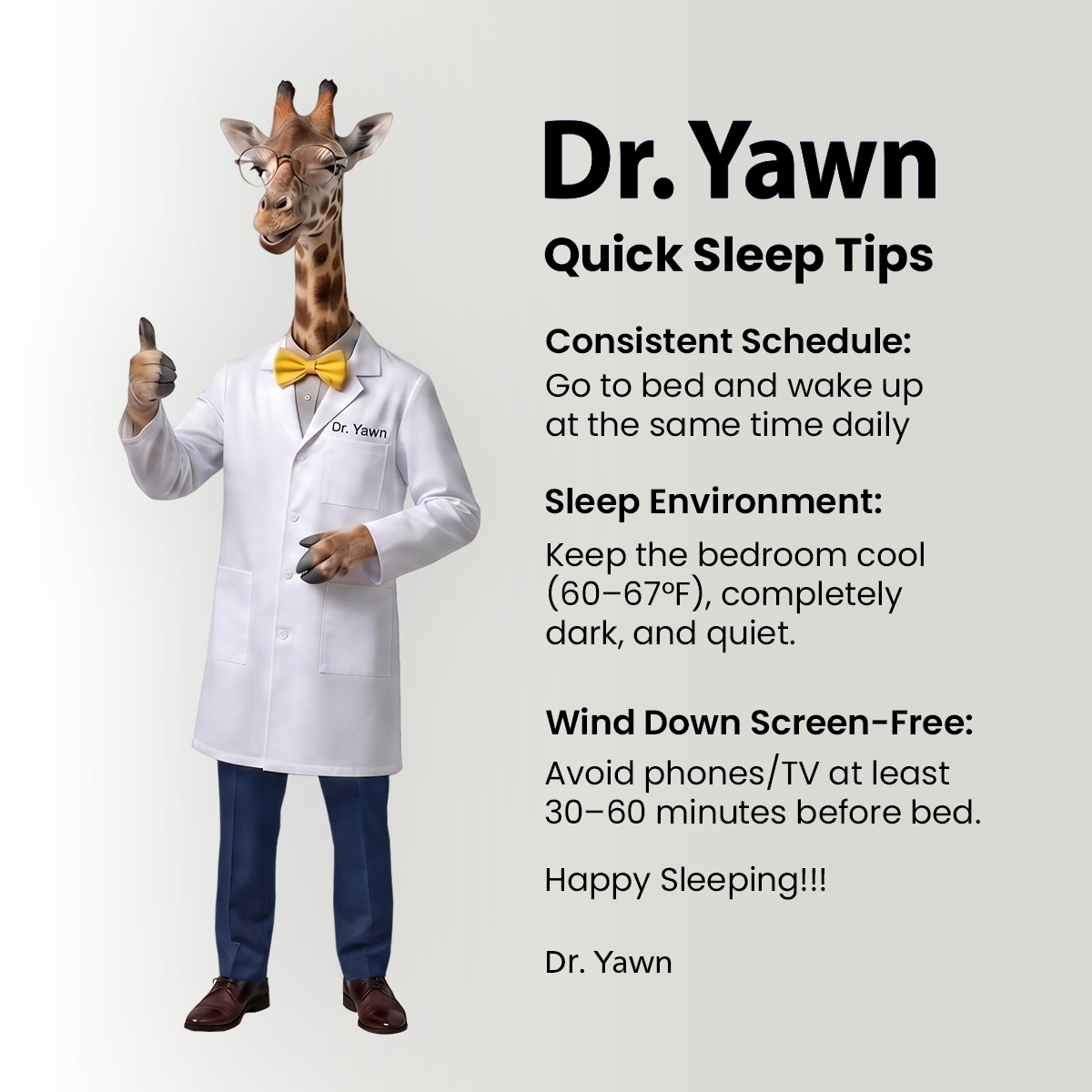
- Set a Sleep Schedule: Go to bed and wake up at the same time each day, even on weekends. This routine helps keep your body's internal clock in check, ensuring you consistently get adequate sleep.
- Limit Screen Time Before Bed. Blue light from phones, tablets, and computers can block melatonin, making it tougher to fall asleep.
- Keep a Healthy Diet: Stay away from processed and salty foods. They can increase your blood pressure. Instead, consume plenty of nutritious grains, fruits, and vegetables, which help reduce your risk of heart disease.
- Exercise: Regular exercise improves cardiovascular health and helps lower blood pressure. Try aerobic exercises like brisk walking, bicycling, or dancing a few times per week.
What's the Takeaway?
Teen insomnia is more than a minor inconvenience; it is a severe health concern that can lead to high blood pressure and other cardiovascular problems.
More studies are necessary, yet one thing is clear: sleep is crucial for heart health.
It's never too early to start taking care of it. Teens who tackle sleep problems early can build healthier futures. It begins with one good night's sleep at a time.
References:
- Insomnia, lack of sleep linked to high blood pressure in teens. (n.d.). American Heart Association. Retrieved April 4, 2025, from https://newsroom.heart.org/news/insomnia-lack-of-sleep-linked-to-high-blood-pressure-in-teens
- Paruthi, S., Brooks, L. J., D’Ambrosio, C., Hall, W. A., Kotagal, S., Lloyd, R. M., Malow, B. A., Maski, K., Nichols, C., Quan, S. F., Rosen, C. L., Troester, M. M., & Wise, M. S. (2016). Consensus statement of the American Academy of Sleep Medicine on the recommended amount of sleep for healthy children: Methodology and discussion. Journal of Clinical Sleep Medicine: JCSM: Official Publication of the American Academy of Sleep Medicine, 12(11), 1549–1561. https://doi.org/10.5664/jcsm.6288
- Centers for Disease Control and Prevention. About Sleep and Your Heart Health. https://www.cdc.gov/heart-disease/about/sleep-and-heart-health.html
https://www.cdc.gov/heart-disease/about/sleep-and-heart-health.html - Cirelli, C. (2024, May). Insufficient sleep: Definition, epidemiology, and adverse outcomes. In R. Benca & A. Eichler (Ed.). UpToDate.
https://www.uptodate.com/contents/insufficient-sleep-definition-epidemiology-and-adverse-outcomes - Alshak MN, Das JM. Neuroanatomy, Sympathetic Nervous System. [Updated 2023 May 8]. In: StatPearls [Internet]. Treasure Island (FL): StatPearls Publishing; 2024 Jan-. https://www.ncbi.nlm.nih.gov/books/NBK542195/