

Use the player to listen to the article and/or continue to read below.
Productivity & Focus | Your Waistline | Heart Health | Sleep & Inflammation | Mental Health
Introduction
Eight hours is the standard amount of sleep we need to feel rested, but what’s the science behind this magical number?
Sleep often takes a backseat when life gets busy; however, your mind and body suffer without consistent sleep. It’s surprising that so many people undervalue just how vital sleep is for optimal wellness.
When was the last time you had a poor night’s sleep? It may have been last night, or maybe a week or two ago. Either way, the chances of you feeling good the next day would be very slim to zero.
Poor quality sleep makes you feel lethargic, and befuddle your thoughts. On the other hand, a good night’s sleep can make you feel like you’re firing on all cylinders.
Why Is Sleep Important?
When you’re asleep, your body may be resting, but plenty is going on in your body. That’s because this resting phase is the time for repair and regeneration.
Your muscles repair themselves from a day’s worth of work; memories are consolidated and stored in your long-term memory; damaged cells heal themselves, and your immune system gets a boost.
When your sleep is compromised, not only do these key processes not happen but you’re also left feeling sluggish and unrested. Quite simply, sleep is as vital as exercise and diet when it comes to overall well-being.

Productivity And Focus
When you are feeling tired and sluggish, it’s not easy to concentrate on tasks. The longer you experience sleeplessness, the worse you’ll feel.
A new study reveals how sleep deprivation disrupts our brain cells’ ability to communicate with each other, leading to temporary mental lapses that affect memory and visual perception. [1]
Now you know; if you’re often searching for that elusive word in your mind or routinely lose your train of thought, poor sleep can be to blame.
Your Waistline
Sleep deprivation causes a release of ghrelin, which is a hormone that leads to increased feelings of hunger. Think back to your last sleepless night and how hungry you were the next day.
Now, your sleepless-hunger situation becomes even direr because your body releases less leptin, which is a hormone that controls your appetite. Before you know it, you’re ordering two of everything off the dollar menu at your favorite fast food joint.
Deep within your brain’s limbic system, your body confuses the sensations of fatigue, sleep, and hunger, causing you to crave greasy food to overcome feelings of tiredness.
Sleeplessness will lead to you eating more, not because you’re hungry, but because you’re trying to shake that tired feeling.
By getting enough sleep, you’re more likely to make healthy choices because you’re cravings are curbed, and you have more control over what you eat.
Heart Health
Disrupted sleep can lead to hormones and other chemical signals becoming unbalanced. As a result, many systems in the body become out of sync. Recent studies reveal a relationship between sleep deprivation and hypertension (HT), coronary heart disease (CHD), and diabetes mellitus (DM).[2]
Sleep & Inflammation
Sleep is vital in reducing the amount of inflammation within the body. Experimental studies on the effects of acute sleep loss in humans have shown that mediators of inflammation are altered by sleep loss.[3]
Reducing inflammation levels within the body is essential when mediators are high, and sleep helps in the battle against inflammation while also giving the immune system a boost.
Mental Health
While sleep alone cannot guarantee better mental health, it can contribute to a more positive mindset. There are links between poor sleep patterns and depression, and until both conditions are addressed, your sleep and your mental well-being will suffer.
It’s impossible to feel well if you’re struggling to get consistent restorative sleep. It’s not easy to get up and go about your day when you’re tired and headachy.
However, when you’re regularly getting adequate sleep, you’re apt to be more upbeat, more positive, and not dragged down by aches, pains, and compromised immunity.
Conclusion
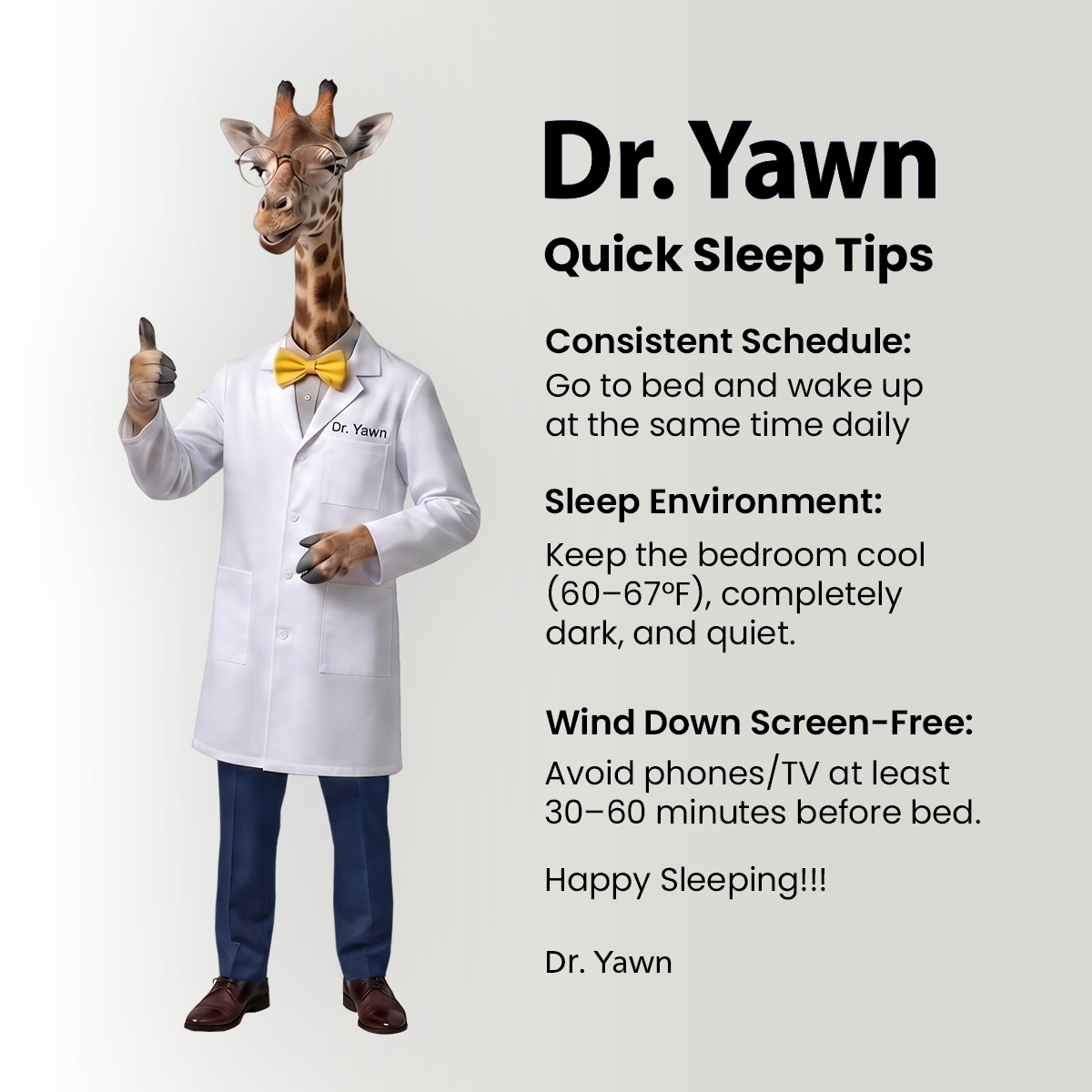
Understanding what you can do to improve your chances of getting a good night’s sleep is essential. You’ll need to consider a few things, like creating a comfortable sleeping environment, avoiding stimulation and technological devices before bed, and trying deep relaxation methods. However, if you still struggle to get quality sleep, you may need to talk to your doctor.
References:
- Sleep Duration as a Risk Factor for Cardiovascular Disease- a Review of the Recent Literature. (2010, February 1). PubMed Central (PMC). https://www.ncbi.nlm.nih.gov/pmc/articles/PMC2845795/
- University of California – Los Angeles Health Sciences. (2017, November 6). Blame tired brain cells for mental lapses after poor sleep: Study reveals sleep deprivation disrupts brain-cell communication. ScienceDaily. Retrieved October 30, 2020 from www.sciencedaily.com/releases/2017/11/171106112312.htm
- Mullington, J. M., Simpson, N. S., Meier-Ewert, H. K., & Haack, M. (2010). Sleep loss and inflammation. Best practice & research. Clinical endocrinology & metabolism, 24(5), 775–784. https://doi.org/10.1016/j.beem.2010.08.014