

Use the player to listen to the article and/or continue to read below.
Benefits Of Sleep | How Sleep Works | The Circadian Rhythm | Getting Quality Sleep | The Bottom Line
Introduction
Most healthy sleepers spend a third of their lives sleeping. Scientists have yet to determine the exact mechanics of sleep; however, the evidence is clear: quality sleep is essential for good overall health.
Despite this, almost 30 percent of adults in the United States report getting under six hours of sleep daily, significantly below the recommended eight hours.[1]
So why is good sleep necessary? And what can you do to make sure you get it?

Benefits Of Sleep
1) Improved Daytime Productivity & Concentration
Good sleep allows the brain to consolidate memories and sharpens cognitive functions, such as decision-making, judgment, problem-solving, and planning abilities.
Studies show that sleep deficiency increases the number of serious mistakes by medical interns by 36 percent.[2]
2) Better Metabolism & Weight Control
The body produces and regulates numerous hormones during sleep; therefore, restorative sleep is vital for metabolism to run smoothly.
Studies show an increased incidence of obesity in people sleeping insufficiently or going to sleep very late at night.[3]
Additionally, a study of 212 patients admitted to the hospital found a strong inverse association between sleep duration and glucose control. This finding occurred whether the patient was diabetic or non-diabetic.[4]
3) Better Growth and Physical Fitness
During deep sleep, the levels of human growth hormone (HGH) released by the brain reach their peak. HGH promotes healthy bone growth, repairs cells and tissue, and increases muscle mass, leading to appropriate repair and development of the body.[5]
This hormone is especially important in children because it is responsible for increasing height. Adults deficient in growth hormone experience muscle wasting and a buildup of fat, which can decrease physical fitness and can be one of the factors why people lacking sleep tend to gain weight.
4) Better Physical Performance
After a good night’s sleep, a clear mind, and a well-rested body can improve physical performance.
A study on basketball players found that longer sleep translated to better reaction times, speed, and accuracy.[6]
On the other hand, drowsy driving is a significant cause of automobile accidents, with more than half of fatal truck accidents linked to lack of sufficient sleep in the US.[7]
5) Improved Functioning of the Heart
In a statement released in 2016, the American Heart Association included sufficient sleep in its recommendations for good cardiac health.
Even though sleep physiology is not entirely understood, studies show a strong association between lack of sleep and cardiac problems, such as heart failure and heart attacks.
6) Boosted Mental Health & Emotions
As discussed above, sleep rejuvenates your brain and improves cognitive function.
Studies show that restricting sleep affects the brain similarly to anxiety and depression, increasing irritability, decreasing energy, and causing poor mood. All of these symptoms disappeared after one week of proper sleep.[8]
7) Strengthened Immune System
Sleeping rejuvenates the body’s immune system. The body does this by producing certain cytokines during the early phases of sleep. Such cytokines help fight infection and inflammation. This makes a person’s defense response stronger against disease.[9]
Sleep deprivation can decrease the release of these cytokines, resulting in reduced numbers of infection-fighting cells and antibodies. This reduction makes one more susceptible to simple illnesses, such as the common cold.[10]
How Sleep Works
The circadian rhythm controls sleep timing, regulating the body’s internal clock. Like a solar day, a complete cycle of one’s circadian rhythm is approximately 24 hours.
Your brain uses circadian rhythm to control your daily schedule of alertness and sleep. It regulates hormone secretion throughout the day, controls body temperature, and influences eating habits and digestion.
Zeitgebers, known as light and dark cues, help to synchronize one’s circadian rhythm.
When the sun sets, the brain releases a hormone called melatonin that helps the body relax and induces feelings of tiredness, signaling that it’s time to sleep.
How the Circadian Rhythm Gets Out Of Sync
It’s important to note that a person’s circadian rhythm is relatively stable. Even though external factors can influence it, the changes are subtle and slow.
These days, most of our routines are far from optimized for getting quality sleep.
Using electronic screens before bedtime stimulates the brain, preventing it from easing into a state of restfulness.
This stimulation can reset one’s circadian rhythm, leading to a later sleep time and a condition known as delayed circadian sleep-wake disorder.
Traveling across time zones can also result in a person’s internal clock going out of sync.
The resynchronization of one’s circadian rhythm as one passes through time zones can lead to jet lag.
Additionally, many people eat meals late or work late into the night, and these actions disrupt the body’s natural circadian rhythm, causing sleep disorders.
This disruption is why sleep specialists and doctors encourage people to stick to a consistent sleep-wake schedule, even on weekends.
Getting Quality Sleep
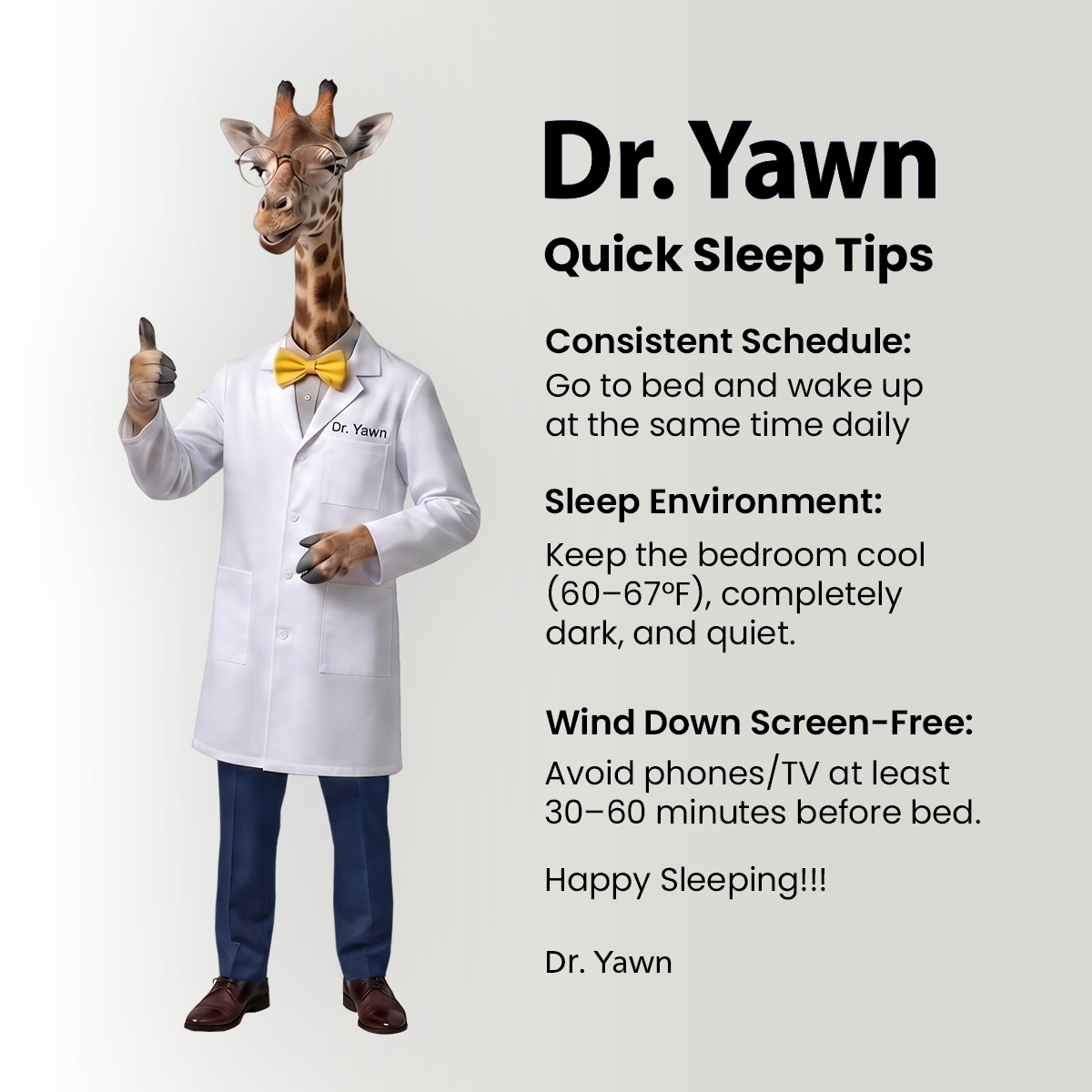
Sleep works best when the asleep schedule follows a consistent schedule. Consistency allows your body’s circadian rhythm to adjust, leading to a consistent sleep-wake pattern.
The amount of sleep a person need varies throughout their life, from 14 to 17 hours for newborns to 7-8 hours for seniors.
An ideal amount of sleep is 7 to 9 hours for most adults, with a lifestyle that supports this sleep schedule. It’s important not to deviate from set sleep-wake patterns.
Along with a consistent sleep-wake schedule, one should practice healthy sleep hygiene. The hours before bed should include avoiding all electronic screens, lowering the lights, and avoiding strenuous activities.
It’s important to leave some extra time before bedtime to allow the mind and body to unwind to smooth the transition from wakefulness to sleep.
The Bottom Line
Good sleep is an essential component of overall well-being and health. Therefore, it’s important to practice good sleep habits, such as having a consistent sleep-wake schedule.
References:
- Maski, K. (2021). Insufficient sleep: Evaluation and management. Up To Date. Published. https://www.uptodate.com/contents/insufficient-sleep-evaluation-and-management
- Landrigan, C. P., Rothschild, J. M., Cronin, J. W., Kaushal, R., Burdick, E., Katz, J. T., Lilly, C. M., Stone, P. H., Lockley, S. W., Bates, D. W., & Czeisler, C. A. (2004). Effect of Reducing Interns’ Work Hours on Serious Medical Errors in Intensive Care Units. New England Journal of Medicine, 351(18), 1838–1848. https://doi.org/10.1056/nejmoa041406
- McHill, A. W., & Wright, K. P. (2017). Role of sleep and circadian disruption on energy expenditure and in metabolic predisposition to human obesity and metabolic disease. Obesity Reviews, 18, 15–24. https://doi.org/10.1111/obr.12503
- DePietro, R. H., Knutson, K. L., Spampinato, L., Anderson, S. L., Meltzer, D. O., van Cauter, E., & Arora, V. M. (2016). Association Between Inpatient Sleep Loss and Hyperglycemia of Hospitalization. Diabetes Care, 40(2), 188–193. https://doi.org/10.2337/dc16-1683
- Kirsch, D. (2021). Stages and architecture of normal sleep. Up To Date. Published. https://www.uptodate.com/contents/stages-and-architecture-of-normal-sleep
- Mah, C. D., Mah, K. E., Kezirian, E. J., & Dement, W. C. (2011). The Effects of Sleep Extension on the Athletic Performance of Collegiate Basketball Players. Sleep, 34(7), 943–950. https://doi.org/10.5665/sleep.113
- Gottlieb, D. J., Ellenbogen, J. M., Bianchi, M. T., & Czeisler, C. A. (2018). Sleep deficiency and motor vehicle crash risk in the general population: a prospective cohort study. BMC Medicine, 16(1). https://doi.org/10.1186/s12916-018-1025-7
- Pires, G. N., Bezerra, A. G., Tufik, S., & Andersen, M. L. (2016). Effects of acute sleep deprivation on state anxiety levels: a systematic review and meta-analysis. Sleep Medicine, 24, 109–118. https://doi.org/10.1016/j.sleep.2016.07.019
- Besedovsky, L., Lange, T., & Born, J. (2011). Sleep and immune function. Pflügers Archive – European Journal of Physiology, 463(1), 121–137. https://doi.org/10.1007/s00424-011-1044-0
- Cohen, S., Doyle, W. J., Alper, C. M., Janicki-Deverts, D., & Turner, R. B. (2009). Sleep Habits and Susceptibility to the Common Cold. Archives of Internal Medicine, 169(1), 62. https://doi.org/10.1001/archinternmed.2008.505