
How Do Vaccines Work? | Sleep & Immunity | How Hormones Affect Immunity |
What’s The Effect Of Sleep Deprivation On Immune Response to Vaccination? |
How to Make Vaccinations More Effective |
Overview
Sleep deprivation has detrimental effects on a person’s mental and physical health. For years, scientists have noted the negative consequences of poor sleep on the body’s immune system.
Research shows that short sleep durations can reduce the body’s response to vaccination. A recent study found that sleeping less than six hours a night can cut the immune response to vaccines.
Research suggests that the effect of shorter sleep durations is similar to the waning of Covid-19 antibodies two months after vaccination.
Keep reading to learn more about the effects of sleep deprivation on the effectiveness of vaccines and how better sleep can improve protection against diseases.
How Do Vaccines Work?
Vaccines contain weakened or inactive parts of a pathogen (a bacterium or virus) that can cause disease within the body. Once in the body, those parts can imitate an infection without causing illness.[1]
When a pathogen enters your body, your immune system produces white blood cells (macrophages, B-lymphocytes, and T-lymphocytes) to destroy it. If it’s the first time your body gets infected with a specific virus or bacterium, it can take several days for the immune system to prepare the white blood cells and fight the infection.
When you get a vaccine, your immune system responds the same way as if you actually became infected with the pathogen. It recognizes the weakened or inactive parts of the pathogen as foreign and produces immune cells that can destroy it.
As a result, your body becomes familiar with this specific bacterium or virus. So the next time the pathogen enters your body, you’ll have a supply of T-lymphocytes and B-lymphocytes ready that will remember how to fight that disease more quickly and prevent it from making you sick.[1]
Sleep & Immunity
Sleep is one of the pillars of good mental and physical health.[2] A good night’s sleep promotes growth and healing and boosts your immune system [3] Sleeping well helps your body regulate several hormones, such as:[4]
- Growth hormone (GH)
- Melatonin
- Thyroid-stimulating hormone (TSH)
- Cortisol (the body’s stress hormone)
- Ghrelin and leptin (appetite hormones)
- Sex hormones (like testosterone)
How Hormones Affect the Immunity
The growth hormone (GH) stimulates the proliferation of white blood cells (T and B cells).[6]
- Melatonin affects the release of specific antibodies against a pathogen after vaccination.[7]
- Thyroid-stimulating hormone (TSH) can promote lymphocyte proliferation and activation.[8]
- Cortisol levels can affect the responsiveness of T and B lymphocytes.[9]
- Sex hormones can control the immune response through circadian rhythm.[10]
A healthy adult needs around 7-9 hours of sleep every night to maintain good health. Sleep deprivation is when a person sleeps less than the recommended hours for several consecutive days.[11]
Not getting enough sleep can affect the function and release of the mentioned hormones, which affect the immune response. Consequently, lack of sleep can decrease the levels of T and B lymphocytes among other immune cells and weaken the immune system.[12]

What’s The Effect Of Sleep Deprivation On The Immune Response To Vaccination?
Many factors can affect how your body responds to a vaccine, including age, sex, genetics, and health status.[13] The amount of sleep you get each night also affects your body’s immune response to vaccination.
In 2003, data from a clinical study found that sleeping well at night after receiving a hepatitis A virus (HAV) vaccination improves the immune response and antibody production compared to sleep deprivation.[15]
Another study in 2017 revealed that people with insomnia (a common sleep disorder) had a lower antibody response after influenza vaccination.[16]
In a 2021 study, scientists observed that shorter sleep durations resulted in fewer antibodies in response to the flu vaccine 1-4 months after vaccination.[17]
A recent study found that insufficient sleep (less than 6 hours per night) can make your vaccine shots less effective.[18]
The authors compared the antibody response after getting vaccinated (against influenza and hepatitis A and B viruses) in healthy adults who sleep 7-9 hours per night and those who sleep less than six hours per night.
They found that sleeping less than six hours every night significantly decreases the body’s response to anti-viral vaccination.
Insufficient sleep substantially reduces the levels of protective antibodies after getting vaccinated against these viruses.
The researchers suggest that insufficient sleep during your Covid-19 vaccination may reduce antibody levels and make your vaccine shot less effective. The reduction is similar to the waning of COVID-19 vaccine antibodies over two months. Low antibody levels may not be able to protect you against a coronavirus infection.
However, the effect of short sleep durations on the immune response to vaccination was only significant in males and not females. That could be due to the roles of different sex hormones in the immune system.
Scientists previously showed that females generate higher antibody responses than males. Therefore, vaccinations result in higher antibody levels in women than men, providing more efficient protection against diseases.[14]
How to Make Vaccinations More Effective
Getting adequate hours of sleep every night can increase the efficacy of your vaccine. Good sleep can also extend the duration of protection against diseases provided by vaccination.
Below are some tips for better sleep to improve the effectiveness of your vaccine shots:
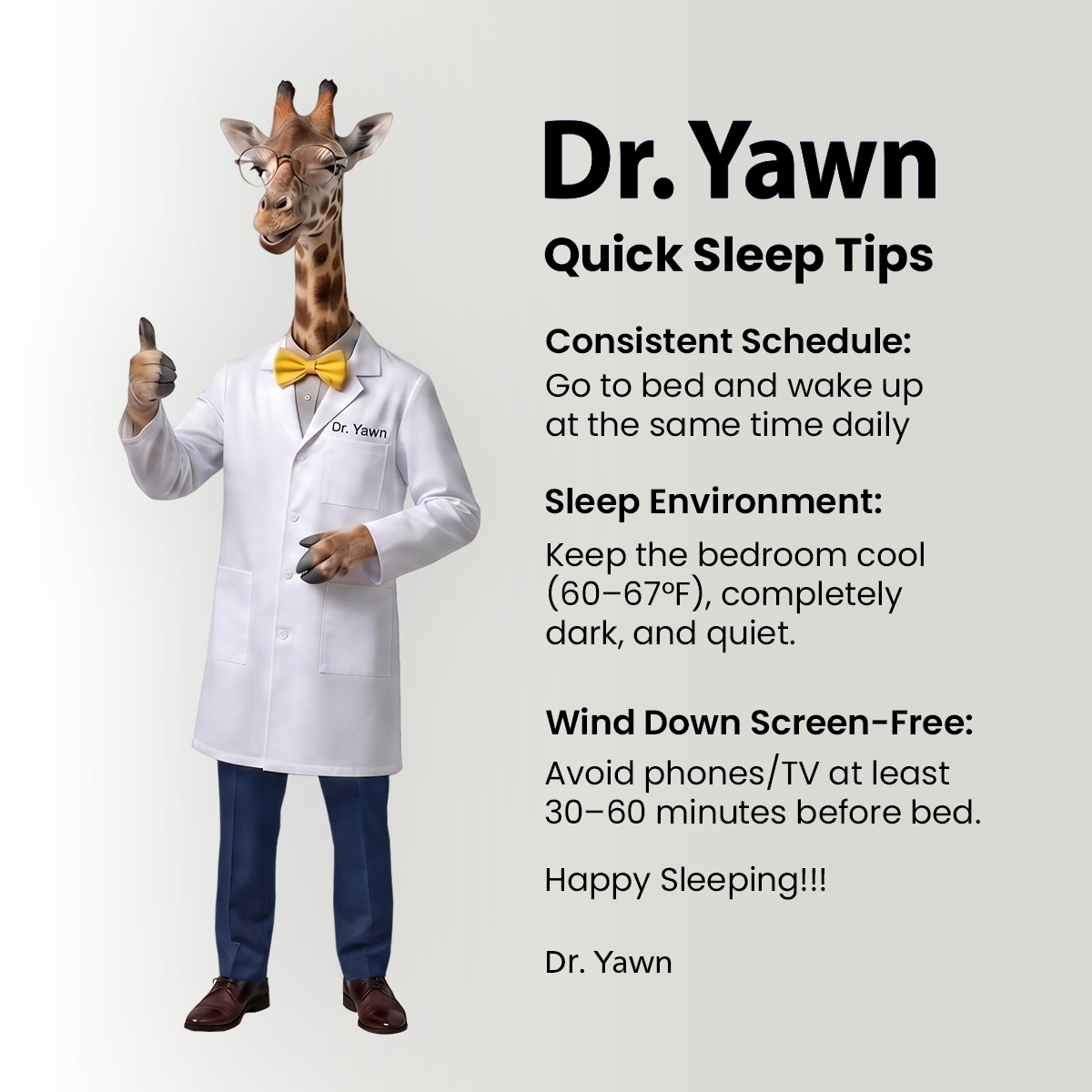
- Get 7-9 hours of sleep per night before and after getting a vaccine shot
- Create a sleep routine – try to go to bed and wake up around the same time each day
- Don’t drink alcohol or caffeine close to your bedtime
- Create a sleep-friendly environment in your bedroom (adjust the temperature, access to light, and noise isolation)
- Cut down your screen time before bed
- Don’t go to bed too hungry or too full (both can keep you up late at night)
And most importantly, don’t forget your booster shots! The protection of some vaccines begins to wear off over time, so you need a booster dose to bring the protection levels back up.
In other cases, the virus can mutate to evade the immune system, so scientists modify vaccines to target the evolved virus.
Vaccines have significantly reduced the harm caused by many viruses and bacteria. Although several factors affect how your body responds to different vaccines, emerging evidence suggests that sleep has a substantial role.
Sleeping less than six hours per night can reduce your body’s immune response to vaccination, making it less effective. Ensure you get a good night’s rest daily to improve your body’s protection against pathogens after getting vaccinated.
References:
- Ginglen JG, Doyle MQ. Immunization. StatPearls Publishing; 2023. Accessed March 22, 2023. https://www.ncbi.nlm.nih.gov/books/NBK459331/
- Clement-Carbonell V, Portilla-Tamarit I, Rubio-Aparicio M, Madrid-Valero JJ. Sleep Quality, Mental and Physical Health: A Differential Relationship. Int J Environ Res Public Health. 2021;18(2):460. doi:10.3390/ijerph18020460
- Besedovsky L, Lange T, Haack M. The Sleep-Immune Crosstalk in Health and Disease. Physiol Rev. 2019;99(3):1325-1380. doi:10.1152/physrev.00010.2018
- Kim TW, Jeong JH, Hong SC. The Impact of Sleep and Circadian Disturbance on Hormones and Metabolism. Int J Endocrinol. 2015;2015:591729. doi:10.1155/2015/591729
- Lateef OM, Akintubosun MO. Sleep and Reproductive Health. J Circadian Rhythms. 18:1. doi:10.5334/jcr.190
- Meazza C, Pagani S, Travaglino P, Bozzola M. Effect of growth hormone (GH) on the immune system. Pediatr Endocrinol Rev PER. 2004;1 Suppl 3:490-495.
- Carrillo-Vico A, Lardone PJ, Álvarez-Sánchez N, Rodríguez-Rodríguez A, Guerrero JM. Melatonin: Buffering the Immune System. Int J Mol Sci. 2013;14(4):8638-8683. doi:10.3390/ijms14048638
- Wenzek C, Boelen A, Westendorf AM, Engel DR, Moeller LC, Führer D. The interplay of thyroid hormones and the immune system – where we stand and why we need to know about it. Eur J Endocrinol. 2022;186(5):R65-R77. doi:10.1530/EJE-21-1171
- Morey JN, Boggero IA, Scott AB, Segerstrom SC. Current Directions in Stress and Human Immune Function. Curr Opin Psychol. 2015;5:13-17. doi:10.1016/j.copsyc.2015.03.007
- Taneja V. Sex Hormones Determine Immune Response. Front Immunol. 2018;9:1931. doi:10.3389/fimmu.2018.01931
- Hanson JA, Huecker MR. Sleep Deprivation. StatPearls Publishing; 2022. Accessed March 22, 2023. https://www.ncbi.nlm.nih.gov/books/NBK547676/
- Asif N, Iqbal R, Nazir CF. Human immune system during sleep. Am J Clin Exp Immunol. 2017;6(6):92-96.
- Zimmermann P, Curtis N. Factors That Influence the Immune Response to Vaccination. Clin Microbiol Rev. 2019;32(2):e00084-18. doi:10.1128/CMR.00084-18
- Klein SL, Marriott I, Fish EN. Sex-based differences in immune function and responses to vaccination. Trans R Soc Trop Med Hyg. 2015;109(1):9-15. doi:10.1093/trstmh/tru167
- Lange, T., Perras, B., Fehm, H. L., & Born, J. (2003). Sleep enhances the human antibody response to hepatitis A vaccination. Psychosomatic medicine, 65(5), 831–835. https://doi.org/10.1097/01.psy.0000091382.61178.f1
- Taylor, D. J., Kelly, K., Kohut, M. L., & Song, S. (2017). Is Insomnia a Risk Factor for Decreased Influenza Vaccine Response? Behavioral sleep medicine, 15(4), 270. https://doi.org/10.1080/15402002.2015.1126596
- Prather, A. A., Pressman, S. D., Miller, G. E., & Cohen, S. (2021). Temporal Links Between Self-Reported Sleep and Antibody Responses to the Influenza Vaccine. International journal of behavioral medicine, 28(1), 151–158. https://doi.org/10.1007/s12529-020-09879-4
- Spiegel, K., Rey, A. E., Cheylus, A., Ayling, K., Benedict, C., Lange, T., Prather, A. A., Taylor, D. J., Irwin, M. R., & Cauter, E. V. (2023, March 13). A meta-analysis of the associations between insufficient sleep duration and antibody response to vaccination. Current Biology. Retrieved March 24, 2023, from https://www.cell.com/current-biology/fulltext/S0960-9822(23)00156-2