

Epidemiology | Causes | Types | Symptoms | Diagnosis | Treatment
Overview
Insomnia is a common symptom for which women seek medical advice. Insomnia is characterized by problems initiating sleep, staying asleep, or returning to sleep after waking up.[1]
Insomnia rarely occurs in isolation. It’s usually present alongside other medical, psychiatric, and sleep conditions. Insomnia could also be associated with stress, sleep habits, and the environment.[1]
Anyone can have insomnia; however, women are more likely to have insomnia compared to men. The exact reason for this is unknown. Researchers believe it could be due to the influence of hormones and other factors.[4]
Epidemiology
Insomnia generates over five million office visits annually in the United States, making it one of the most common patient complaints.[2]
About 30-40 percent of adults in the United States experience insomnia yearly. The estimated prevalence of short-term insomnia in the United States is 9.5 percent. About 1 in 5 cases of short-term insomnia cases transitions to chronic insomnia.[8]
According to the National Health Interview Survey data, the unadjusted prevalence of insomnia increased by 8 percent over a decade, from 17.5 percent in 2002 to 19.2 percent in 2012.[8]
Insomnia is more common in women than in men. Various studies show a higher incidence and prevalence of insomnia among women. It’s estimated that women have a 40 percent higher lifetime risk of insomnia than men.[5]
Causes of Insomnia in Women
The causes of insomnia for women are varied, and they are not always the same compared to the causes in men. Insomnia usually results from an interplay of various risk factors.[2,3] These risk factors could be:
- Genetic Factors: Some women have a genetic predisposition for insomnia. Although these genetic factors have not been well elucidated, they are often congenital abnormalities associated with conditions like depression, type 2 diabetes, anxiety, coronary artery disease, etc.[2]
- Advanced Age: Older women are more likely to have insomnia, with women in menopause or peri-menopause at a higher risk of the disorder.[3]
- Family History: Someone with a relative who has insomnia is at a higher risk of having insomnia.
- Pregnancy: Up to 30 percent of women complain of sleeping troubles during pregnancy. Insomnia in pregnancy is usually due to hormonal changes. Estrogen and progesterone levels vary during pregnancy, leading to sleeping problems.
- Psychiatric Disorders: Insomnia is often present with psychiatric disorders. Psychiatric disorders can sometimes have insomnia as a symptom. Psychiatric conditions like depression are more common among women.
- Stress and Anxiety: Physical and mental stress can alter the levels of hormones regulating your sleep. Changes in the amount of these hormones can lead to sleep problems.
- Urinary incontinence: Women tend to have a smaller bladder capacity, leading to disturbed sleep due to being woken up to urinate.
- Drugs: Substance abuse, like drugs and alcohol, could cause insomnia.[2]
- Primary Medical Conditions:
- Obstructive sleep apnea is a disorder with a restriction of airflow, which may cause difficulty breathing during sleep
- Chronic pain
- Heart failure[2,3]

Types of Insomnia
Short-term insomnia, otherwise known as acute insomnia, usually results from exposure to a stressor which could be physical, mental, or psychological. It lasts a few days to a few weeks, but symptoms are present for less than three months.
Symptoms usually resolve when the stressor resolves. Occasionally, these symptoms of short-term insomnia could persist, leading to the development of chronic insomnia.[1]
Your doctor may diagnose you with chronic insomnia if your sleep troubles occur at least three times per week and persist for at least three months. Your chronic insomnia might result from initial short-term insomnia.[1]
What are the Symptoms?
- Difficulty initiating sleep
- Difficulty staying asleep
- Waking up early and being unable to return to sleep
- Impaired daytime function could manifest as daytime sleepiness, poor attention, or mood disturbance[1]
- Symptoms might be present with symptoms of other medical or psychiatric conditions
How is it Diagnosed?
Your doctor might say you have insomnia if you have the symptoms stated above, advising you to keep a sleep diary (a record of sleep times, sleep problems, and quality). The sleep diary will help your doctor evaluate your sleep without errors.
Your doctor might also assess your symptoms with questionnaires, including the Epworth Sleepiness Scale (ESS) and Sleep Disorders Questionnaire (SDQ).
Your doctor might also require you to take laboratory tests depending on other conditions that co-exist with your insomnia. Other testing modalities include polysomnography, actigraphy, and home sleep apnea testing.
According to the International Classification of Sleep Disorders (ICSD-3), your doctor will confirm insomnia when all four of the following criteria are met:
1) Difficulty initiating, maintaining sleep, or waking up too early
2) Sleep difficulties despite adequate sleep opportunities for sleep
3) Impaired daytime function
4) When sleep-wake difficulty is not explained by another sleep disorder[1]
How is Insomnia Managed?
Treatment of insomnia could be behaviorally or medicinally based. Your doctor might initially recommend behavioral-based treatment for your insomnia; however, if your insomnia is severe, your doctor might prescribe medication.[7]
Cognitive-Behavioral Therapy for Insomnia (CBT-i): A first-line therapeutic approach that consists of 5 modules, namely stimulus control therapy, sleep restriction therapy, cognitive restructuring therapy, relaxation therapies, and sleep hygiene. The components of sleep hygiene include:
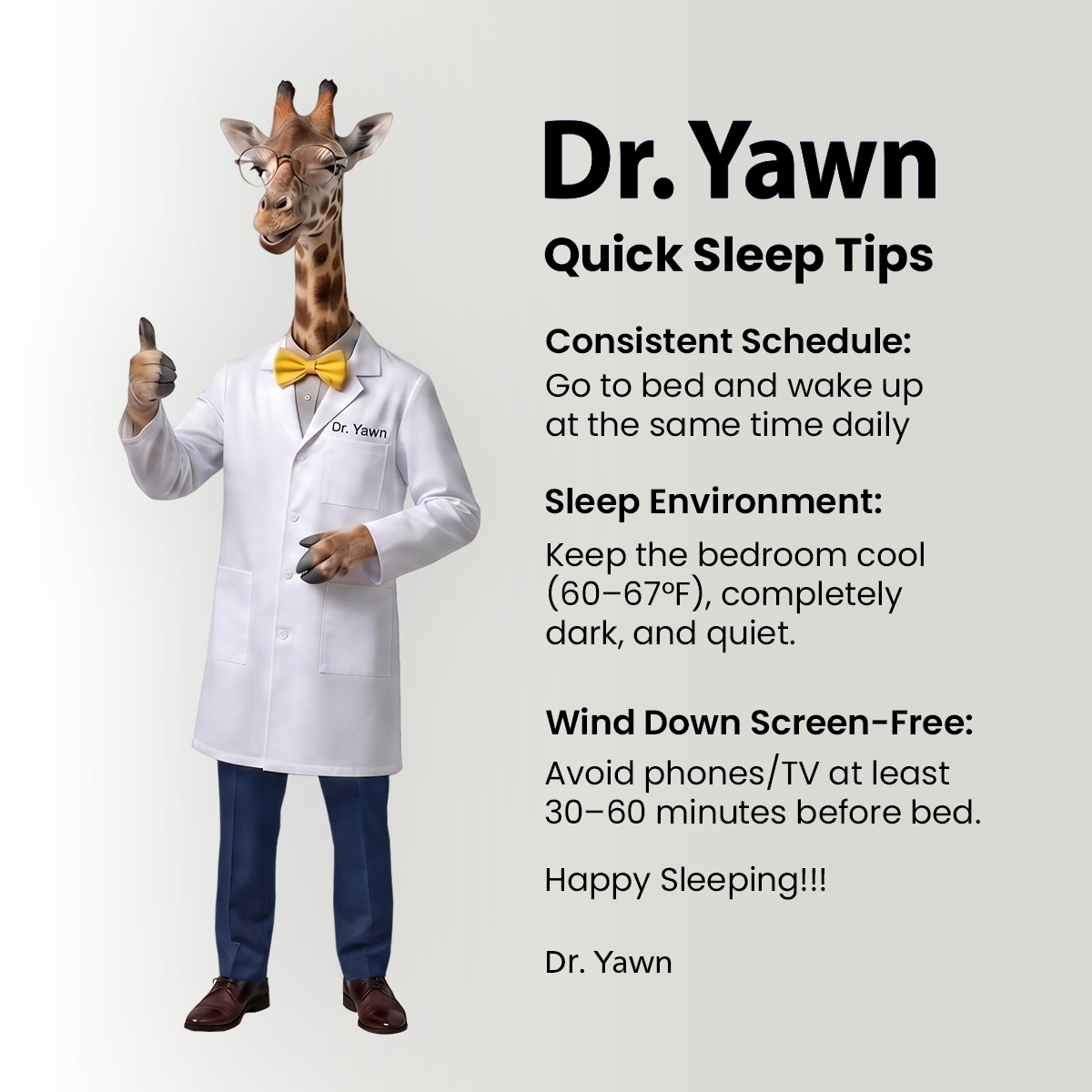
- Creating an ideal sleep environment
- Having a consistent sleep-wake schedule
- Going to bed only when tired
- Avoiding late-evening exercise
- Refraining from stimulating drinks or drugs at bedtime
Medicinal Treatment: The choice of drug will depend on intrinsic factors like your age, comorbidities, and the side effect of drugs.[7] Medications for sleeplessness include:
- Benzodiazepines
- Non-benzodiazepines
- Histamine receptor antagonists
- Melatonin receptor agonists
What’s the Takeaway?
Untreated insomnia in women can increase the risk of developing other conditions, like high blood pressure, diabetes, and obesity. However, if promptly treated, it’s possible to maintain quality of life.
References:
- Sateia M. J. (2014). International classification of sleep disorders-third edition: highlights and modifications. Chest, 146(5), 1387–1394. https://doi.org/10.1378/chest.14-0970
- Drake, C. L., Pillai, V., & Roth, T. Stress and Sleep Reactivity: A Prospective Investigation of the Stress-Diathesis Model of Insomnia. Sleep, 37(8), 1295-1304. https://doi.org/10.5665/sleep.3916
- Drake, C. L., Cheng, P., Almeida, D. M., & Roth, T. (2017). Familial Risk for Insomnia Is Associated With Abnormal Cortisol Response to Stress. Sleep, 40(10), zsx143. https://doi.org/10.1093/sleep/zsx143
- Zhang, B. & Wing, Y. k. (2006). Sex differences in insomnia: a meta-analysis. Sleep, 29(1), 85-93. https://doi.org/10.1093/sleep/29.1.85.
- Mong, J. A., & Cusmano, D. M. (2016). Sex differences in sleep: impact of biological sex and sex steroids. Philosophical transactions of the Royal Society of London. Series B, Biological Sciences, 371(1688),20150110. https://doi.org/10.1098/rstb.2015.0110.
- Singareddy R, Vgontzas AN, Fernandez-Mendoza J, et al. Risk factors for incident chronic insomnia: a general population prospective study. Sleep Med 2012; 13:346.
- Sateia, M. J., Buysse, D. J., Krystal, A. D., Neubauer, D. N., & Heald, J. L. (2017). Clinical Practice Guideline for the Pharmacologic Treatment of Chronic Insomnia in Adults: An American Academy of Sleep Medicine Clinical Practice Guideline. Journal of clinical sleep medicine : JCSM : official publication of the American Academy of Sleep Medicine, 13(2), 307–349. https://doi.org/10.5664/jcsm.6470.
- Dopheide J. A. (2020). Insomnia overview: epidemiology, pathophysiology, diagnosis and monitoring, and nonpharmacologic therapy. The American journal of managed care, 26(4 Suppl), S76–S84. https://doi.org/10.37765/ajmc.2020.42769