

Understanding ADHD- Sleep Connection | The ADHD, Insomnia, Quality of Life Study
Why the Study Matters | What Can You Do to Break The ADHD-Insomnia Vicious Cycle
Overview
Living with ADHD (attention-deficit/hyperactivity disorder) as an adult often means juggling focus, emotions, and daily responsibilities while also dealing with a persistent lack of sleep.
A brilliant new research reveals that this often overlooked sleep problem among adults with ADHD traits may make it harder to focus, lower their mood, and make them less happy with their lives.[1]
These symptoms suggest a vicious cycle in which poor sleep worsens attention and emotional issues, and vice versa.
Let's look at this intriguing study together!
Understanding ADHD- Sleep Connection
ADHD is a neurodevelopmental condition affecting about 5–7% of the population globally.
Even though most people think of it as a childhood problem, many people continue to experience symptoms throughout adulthood.[2]
ADHD is characterized by patterns of inattention, impulsivity, hyperactivity, emotional dysregulation, and difficulties with organization and motivation.
Importantly, ADHD also affects arousal regulation, circadian rhythm, and sleep drive, which means that it doesn't just impact focus and behavior; it also alters how the brain transitions from being awake to sleeping.
Adults with ADHD are much more likely to have trouble sleeping, have trouble falling asleep at night, and feel tired during the day.
At least one in every four people with attention deficit hyperactivity disorder (ADHD) reports having a sleep disturbance, the most frequent of which is insomnia.[3]
These sleep issues aren't just minor side effects; they affect mood, functioning, and quality of life.

The ADHD, Insomnia, Quality of Life Study
In a remarkable new study published in BMJ Mental Health, experts from the University of Southampton and the Netherlands Institute of Neuroscience discovered that insomnia might exacerbate ADHD symptoms, resulting in a lower quality of life, which in turn cascades into a vicious cycle of worsening ADHD features, sleep and mood problems, and poorer quality of
life.[1]
Researchers drew data from the Netherlands Sleep Registry, an online survey with over 10,000 adult participants.
The researchers evaluated feedback from 1,364 participants who answered questions about ADHD symptoms, sleep problems, circadian variables, depression, and quality of life.
They discovered that ADHD features were associated with worse depression, more severe insomnia, poorer sleep quality, and a preference for going to bed and waking up later.
ADHD and insomnia severity both predicted a lower quality of life, with analysis indicating insomnia as a possible link in this association.
Why the Study Matters
Dr. Sarah L. Chellappa, Associate Professor of Psychology at the University of Southampton and senior author of the study, emphasized that the findings from their brilliant study demonstrate a relationship between ADHD features, insomnia severity, and worse life satisfaction.[4]
"We know that sleep disruption might affect neurobehavioral and cognitive systems, such as attention and emotional regulation. At the same time, sleep disturbance may result from ADHD-related impulsivity and hyperactivity, implying a feedback loop between sleep disorders and ADHD," Dr. Chellappa said.
Concerning the following steps, Dr. Chellappa noted that further research is required to understand this intricate interplay.
By increasing our understanding, we may be able to identify treatment alternatives that improve the quality of life for people with ADHD.
Dr. Chellappa continued, "For example, treating insomnia complaints in people with greater ADHD features with Cognitive Behavioral Therapy for Insomnia (CBT-I) or Sleep Restriction Therapy may assist in improving their quality of life."
What Can You Do to Break The ADHD-Insomnia Vicious Cycle
If you live with ADHD and struggle to sleep, you are not alone. Here are some things you can try to break this vicious cycle:
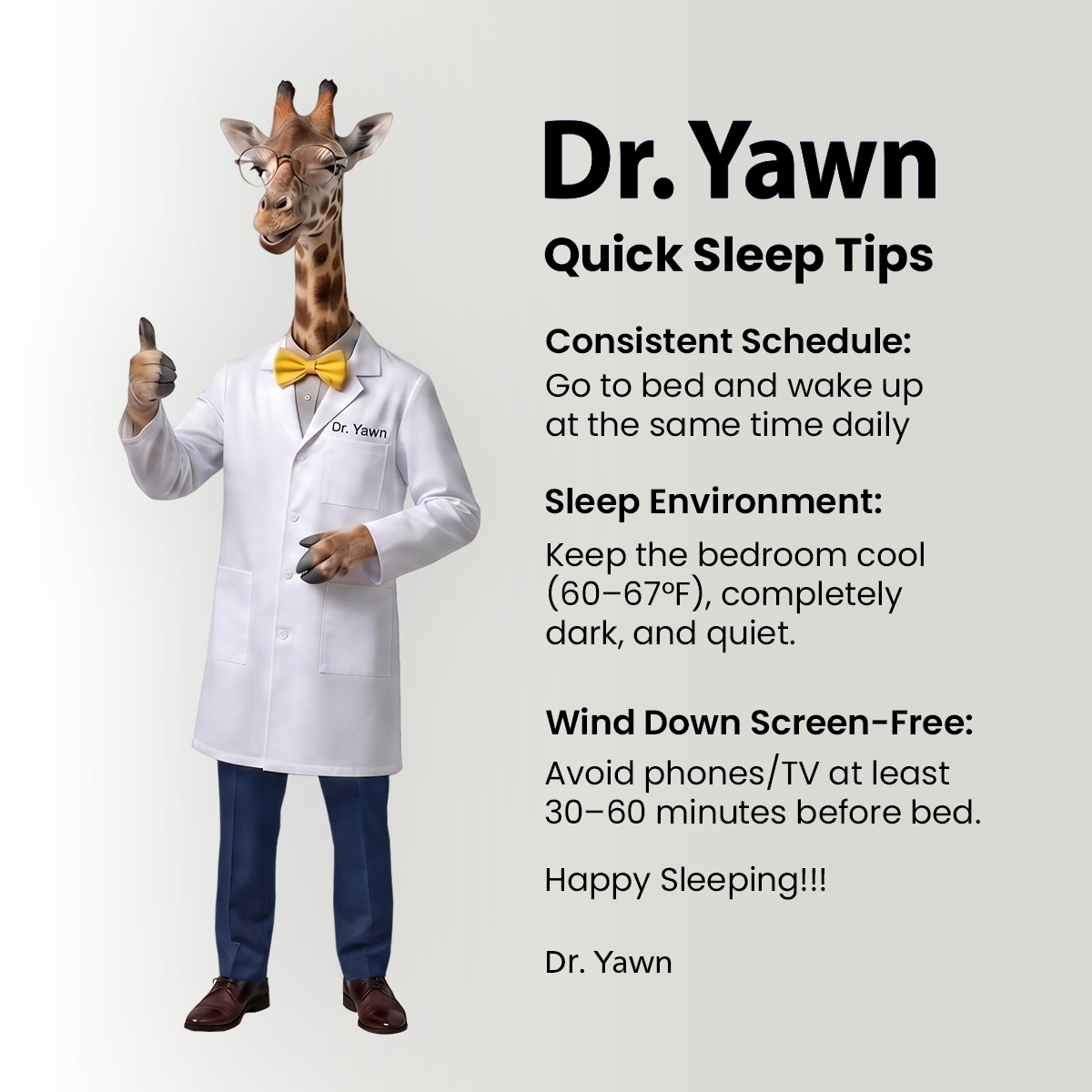
- Establish Consistent Sleep and Wake Times: A helpful first step is building regular sleep routines. Many adults with ADHD have trouble planning their evenings, which makes them go to bed later and sleep less regularly. Sticking to the same wake-up and bedtime times every day, even on weekends, helps regulate the body's internal clock and leads to better sleep.
- Create a Calming Wind-Down Routine: Ease the transition from daytime stimulation to rest by intentionally slowing down before bed. Turning down the lights, stepping away from screens about an hour before bed, and engaging in calming activities like reading, gentle stretching, deep breathing, or taking a warm shower can all signal to the brain that it's time to relax.
- Strengthen Your Circadian Rhythm Cues: Exposing yourself to natural light in the morning and staying active during the day can help keep your body's circadian rhythm in sync. These habits help you wake up more clearly during the day and sleep better at night.
- Try CBT-I: Psychological treatments can be particularly helpful. Cognitive Behavioural Therapy for Insomnia (CBT-I) teaches strategies for building healthier sleep routines, reducing worry about sleep, and retraining the mind-body connection around bedtime.[5] Early evidence suggests these approaches may be especially beneficial for individuals with ADHD traits.
It's not often possible to break this cycle quickly, but making small, steady changes to your sleep habits, mental health, and daily routines can help your focus, mood, energy, and general health over time.
What's the Takeaway?
Sleep and ADHD are inextricably linked, and this study highlights the profound impact of that connection.
When insomnia impairs concentration, emotions, and daily functioning, life becomes more difficult. But significant change is possible.
Individuals can gradually improve their rest and overall well-being by recognizing sleep as a crucial component of ADHD management and implementing practical measures, such as establishing regular routines, practicing calming wind-downs, and utilizing evidence-based therapies like CBT-I.
The journey may be gradual, but even tiny, consistent strides towards improved sleep can help with clarity of focus, emotional stability, and a higher quality of life.
References:
- Nair, S., Deshpande, N., Hill, C., Cortese, S., Van Someren, E. J. W., & Chellappa, S. L. (2025). Associations of ADHD traits, sleep/circadian factors, depression and quality of life. BMJ Mental Health, 28(1), e301625. https://doi.org/10.1136/bmjment-2025-301625
- Popit, S., Serod, K., Locatelli, I., & Stuhec, M. (2024). Prevalence of attention-deficit hyperactivity disorder (ADHD): systematic review and meta-analysis. European Psychiatry: The Journal of the Association of European Psychiatrists, 67(1), e68. https://doi.org/10.1192/j.eurpsy.2024.1786
- Wajszilber, D., Santiseban, J. A., & Gruber, R. (2018). Sleep disorders in patients with ADHD: impact and management challenges. Nature and Science of Sleep, 10, 453–480. https://doi.org/10.2147/NSS.S163074
- University of Southampton. (2025, July 16). Can't sleep, can't focus, can't thrive? ADHD and insomnia may be a vicious cycle. Science Daily. https://www.sciencedaily.com/releases/2025/07/250716000843.htm
- Jernelöv, S., Larsson, Y., Llenas, M., Nasri, B., & Kaldo, V. (2019). Effects and clinical feasibility of a behavioral treatment for sleep problems in adult attention deficit hyperactivity disorder (ADHD): a pragmatic within-group pilot evaluation. BMC Psychiatry, 19(1), 226. https://doi.org/10.1186/s12888-019-2216-2