
Common Sleep Disorders & ADHD | Pathophysiology | Circadian Rhythm Disorder & ADHD | Diagnosis | Tips for Management
Overview
Attention deficit hyperactivity disorder (ADHD) is the most common neurodevelopmental disorder in children.
Children who meet the criteria for ADHD experience frustrating symptoms in all aspects of their life. They suffer from behavioral problems, such as staying focused, involuntarily hyperactivity, and sleep disturbances, such as delayed sleep onset and difficulty maintaining sleep.
Keep reading to find out more about ADHD and sleep disorders, diagnosis, and management tips.
Common Sleep Disorders & ADHD
Studies show that over 70% of children with ADHD suffer from disrupted sleep patterns; however, this percentage may vary depending on the type of study or measurement used.[1][2]
These studies found that sleep disturbance manifests in the following ways:[3]
- Bedtime resistance
- Delayed sleep onset
- Fragmented sleep
- Difficulty with morning awakenings
- Sleep-related breathing problems, like obstructive sleep apnea
- Daytime sleepiness
A child with ADHD and concomitant sleep disorders may experience unnatural alertness and an inability to fall asleep quickly. They may wake frequently and suffer from parasomnias, such as sleepwalking and bedwetting.
Pathophysiology
Sleep Disorders and ADHD have a complicated relationship. Symptoms can worsen when unfavorable environmental factors are present, such as poor sleep habits, noise, or lighting.
Difficulty sleeping can worsen with certain medications, as stimulants are sometimes prescribed for ADHD. Comorbid psychiatric and physical conditions may also contribute to sleep problems.
In this cycle of inadequate sleep, existing ADHD symptoms are magnified, especially during the daytime hours. Increased fatigue and drowsiness are experienced, and hardships when attempting to pay attention and focus are faced. These factors negatively impact learning abilities and increase impulsiveness and poor behavior.[4]
Several medications have been prescribed to children diagnosed with ADHD. Unfortunately, the therapeutic effects may be offset by significant side effects.
- Stimulant Medications
Stimulants such as Ritalin and Adderal are prescribed to increase alertness, energy, and attention.[5] Stimulants, while providing management of focus and energy, may disrupt sleep by delaying the time and duration of regular sleep. - Non-Stimulant Medications
For some patients, a non-stimulant medication is prescribed for clinical management of ADHD. A specific medication, atomoxetine, is a non-stimulant that treats symptoms and reportedly improves sleep quality and increases drowsiness in children.[6,7]

Circadian Rhythm Disorder & ADHD
Studies show that children with ADHD and chronic idiopathic sleep-onset insomnia often have trouble falling asleep (delayed sleep phase) and delayed dim light melatonin onset compared to children with ADHD without sleep-onset insomnia.[8]
After the age of 5, sleep-wake patterns may be sporadic and irregular, particularly on weekends when days aren’t as structured, increasing the likelihood of naps. This pattern comprises the criteria of sleep-wake rhythm disorder, the failure of the body’s natural circadian system to deliver a typical schedule of being awake and sleeping.
Diagnosis
In some cases, inadequate sleep may be the primary problem, leading a child to qualify for a diagnosis of ADHD; however, the condition may be reversible by proper diagnosis and treatment of the underlying sleep issue. As a result, children undergoing evaluation for ADHD should have a focused clinical assessment for common primary sleep disorders, such as:
- Sleep-disordered breathing (OSA)
- Restless Legs Syndrome (RLS) / Periodic Limb Movement Disorder (PLMD)
ADHD children and adolescents can have a higher rate of comorbidity with psychiatric disorders, including:[9]
Tips for Management
Management of the concurring disorders of ADHD and sleep disorders is essential. Either way, an individualized treatment plan should be implemented, as determined by the child’s developmental and behavioral needs, which may include the following:
- Prescribed cognitive behavioral therapy or pharmacological therapy
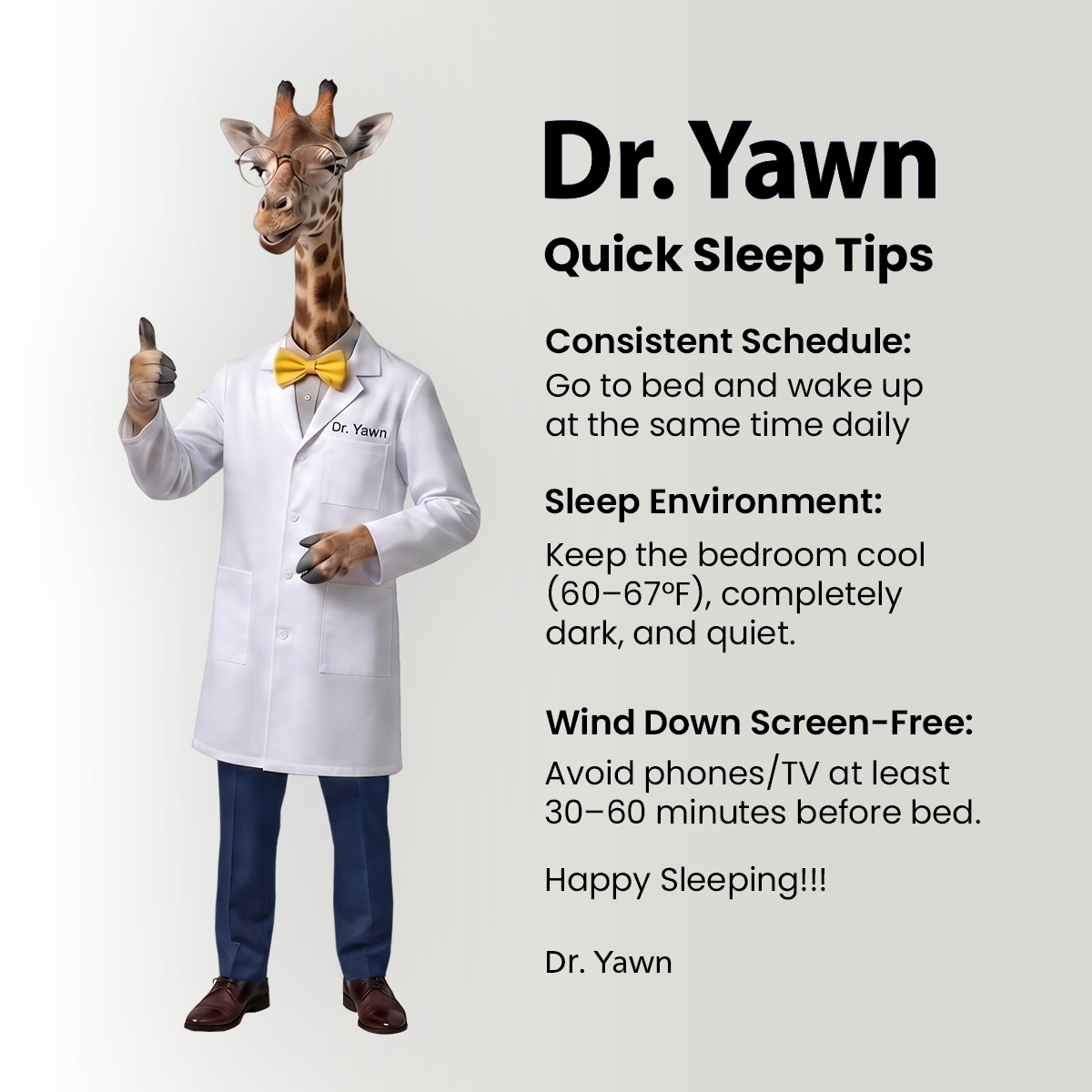
- An established and maintained sleep and wake schedule to reset and stabilize the circadian rhythm
- Healthy sleep hygiene practices by adopting a dedicated sleep regimen in the evening hours, such as taking a hot bath, reading a book, or doing some light stretches.
- Medication, such as supplemental melatonin at bedtime, to help increase the child’s hormone levels [10]
- Adjustment of ADHD medications, which may require a change in dosage, a new psychostimulant, or a switch to a non-stimulant medication
- Communication with providers regarding any coexisting physical, psychiatric, and environmental conditions to coordinate care and pursue optimum health and development for the child
Conclusion
If your child is experiencing symptoms of ADHD and/or Sleep Disorders, consult with your child’s physician for diagnosis, treatment, and management options.
References:
- Corkum, P., Tannock, R., & Moldofsky, H. (1998). Sleep disturbances in children with attention-deficit/hyperactivity disorder. Journal of the American Academy of Child and Adolescent Psychiatry, 37(6), 637–646. https://doi.org/10.1097/00004583-199806000-00014
- Efron, D., Lycett, K., & Sciberras, E. (2014). use of sleep medication in children with ADHD. Sleep medicine, 15(4), 472–475. https://doi.org/10.1016/j.sleep.2013.10.018
- Cortese, S., Faraone, S. V., Konofal, E., & Lecendreux, M. (2009). Sleep in children with attention-deficit/hyperactivity disorder: meta-analysis of subjective and objective studies. Journal of the American Academy of Child and Adolescent Psychiatry, 48(9), 894–908. https://doi.org/10.1097/CHI.0b013e3181ac09c9
- Van der Heijden KB, Smits MG, Van Someren EJ, Gunning WB. Idiopathic chronic sleep onset insomnia in attention-deficit/hyperactivity disorder: a circadian rhythm sleep disorder. Chronobiol Int. 2005;22(3):559-70. doi: 10.1081/CBI-200062410. PMID: 16076654. https://pubmed.ncbi.nlm.nih.gov/16076654/
- NIDA. 2018, June 6. Prescription Stimulants DrugFacts. Retrieved from https://www.drugabuse.gov/publications/drugfacts/prescription-stimulants on 2021, April 16
- Sangal RB, Owens J, Allen AJ, Sutton V, Schuh K, Kelsey D. Effects of atomoxetine and methylphenidate on sleep in children with ADHD. Sleep. 2006 Dec;29(12):1573-85. doi: 10.1093/sleep/29.12.1573. PMID: 17252888.
- Cheng JY, Chen RY, Ko JS, Ng EM. Efficacy and safety of atomoxetine for attention-deficit/hyperactivity disorder in children and adolescents-meta-analysis and meta-regression analysis. Psychopharmacology (Berl). 2007 Oct;194(2):197-209. doi: 10.1007/s00213-007-0840-x. Epub 2007 Jun 16. PMID: 17572882.
- Ibid, 4
- Spruyt, K., & Gozal, D. (2011). Sleep disturbances in children with attention-deficit/hyperactivity disorder. Expert review of neurotherapeutics, 11(4), 565–577. https://doi.org/10.1586/ern.11.7
- Ibid, 5