

What’s the Link Between Sleep and Psychosis? | What Does Research Say About Sleep and Psychosis? | How Can Sleep Deprivation Cause Psychosis?
Treatment of Sleep Disorders in Psychosis
Overview
For a long time now, people have been aware of the link between sleep and mental health.
“When you can’t sleep, nothing seems real. Everything’s a copy of a copy of a copy.” This quote from the famous 1999 movie – “Fight Club” – is only one example of how lack of sleep can affect our perception of reality.
Over the past few decades, many studies focused on the complex relationship between sleep and psychosis. Although sleep disturbances are common in people with psychotic disorders, scientists still question which comes first: Trouble sleeping or psychotic symptoms?
This article explores the link between sleep and psychosis, discusses relevant scientific literature, and highlights treatments that can help people with sleep psychosis.
What’s the Link Between Sleep and Psychosis?
Psychosis is a mental health condition that makes a person dissociate from reality; the patient may experience hallucinations (seeing and hearing things that aren’t real), delusions (having unrealistic thoughts), and disorganized thinking.[1] People with psychotic disorders – such as schizophrenia – often struggle with sleep.[2]
One study estimates that over 80 percent of psychiatric patients have some type of sleep disorder, especially insomnia (difficulty falling asleep, staying asleep, or getting good quality sleep).[3]
Researchers also found common sleeping problems in patients with different psychosis stages – clinical high-risk for psychosis (CHR-P), early psychosis (EP), and chronic psychosis (CP). And people with chronic psychosis (long-term psychotic symptoms) had more sleeping difficulties than people in the early stages of psychosis.[4]
Another review article highlights that individuals at ultra-high risk (UHR) for psychosis frequently have sleeping issues – including feeling sleepy during the day, needing daytime naps, taking a long time to fall asleep, moving a lot during sleep, and having nightmares.[5]
Although people with psychosis often have sleep disorders, scientists are unsure which comes first: Does poor sleep cause psychotic symptoms? Or do hallucinations and delusions make a person lose sleep?
Studies found evidence that both hypotheses may be true: Lack of sleep can negatively affect mental health; seeing and hearing things that aren’t real (hallucinations) or believing things that aren’t reasonable (delusions) can keep you up at night.
What Does Research Say About Sleep and Psychosis?
Many studies investigated the relationship between sleep and psychosis. Some suggest that lack of sleep can cause confusion, hallucinations, and delusions – a condition called sleep deprivation psychosis; others propose that psychosis symptoms can make you lose sleep.
For example, one study showed that patients with early psychosis are at a higher risk of developing sleep disorders than healthy controls.[6] That implies that psychosis can cause sleep problems and not the other way around.
In other studies, scientists found that shorter sleep durations intensify hallucinations and delusional ideas in patients at risk of psychosis.[7] A different study showed that the longer a person goes without sleep, the worse the psychotic symptoms get.[8]
In a separate study, researchers reported that many people with sleep disturbances (like insomnia or nightmares) eventually experience psychotic symptoms.[9] Those studies imply that poor sleep can worsen or even cause psychotic episodes.
The available scientific evidence tells us that the relationship between psychosis and sleep isn’t straightforward; it’s a complex relationship where one condition can worsen the other, leading to a vicious cycle of losing sleep – psychosis episodes – deteriorating sleep – worse psychotic symptoms.

How Can Sleep Deprivation Cause Psychosis?
Lack of sleep can cause biological changes that contribute to the onset of psychiatric disorders.
1) Circadian Rhythm Disruptions
The circadian rhythm (biological clock) is a process that regulates the sleep-wake cycle and other body functions; sleep loss alters a person’s circadian rhythm.[10]
Scientific studies strongly suggest circadian cycle disruptions can trigger psychotic disorders like schizophrenia.[11]
2) Sleep Meds
People with trouble sleeping at night often feel tired, disoriented, and sleepy the next day; they may struggle with learning, working, and performing daily activities. Doctors sometimes prescribe stimulants to help them stay alert and awake during the day.
Scientists found a link between high-dose stimulants and psychosis.[12] The drugs that treat sleep deprivation symptoms can set off psychotic episodes.
3) High Dopamine Levels
Animal studies suggest that sleep deprivation increases the release of dopamine – a neurotransmitter involved in several brain functions, including behavior, attention, and mood.[13] Too much of this same neurotransmitter can result in psychotic symptoms.[14]
These studies explain how poor sleep can cause psychosis by increasing dopamine levels.
4) A Common Cause
Another theory is that psychosis and sleep disorders share a common cause: A disrupted neurological pathway that affects both sleep and mental functions.
Researchers found that people with only sleep disturbances (without psychosis) and only psychotic disorders (without sleep troubles) have similar abnormal brain scans.[15]
That means that a single problem in the brain might cause both conditions separately.
Treatment of Sleep Disorders in Psychosis
Because sleep disturbances are so common in people with psychotic disorders, getting better sleep may help reduce psychosis symptoms.
1) Pharmacotherapy Treatment
Healthcare providers may prescribe the following medications to treat sleep disturbances:[16]
● Melatonin Receptor Agonists: The melatonin hormone regulates the sleep-wake cycle. Melatonin receptor agonists (like Ramelteon) may help patients fall asleep faster and stay asleep longer.
● Benzodiazepines (BZD): Doctors typically prescribe benzodiazepines (like flurazepam and temazepam) to treat insomnia. These drugs can help improve sleep.
● Non-Benzodiazepine Hypnotics or Z-Drugs: These medications (including zolpidem and zaleplon) can treat acute and short-term insomnia.
● Orexin Receptor Antagonists: These drugs (such as suvorexant) can help patients sleep faster and longer.
Always consult your doctor before taking sleeping pills; some medications that treat sleep disorders may worsen psychotic symptoms.[17]
2) Behavioral Interventions
Several non-pharmacological interventions can promote better sleep and improve sleep patterns:[16]
● Cognitive-Behavioral Therapy (CBT): This psychological treatment teaches patients to adopt healthy thinking patterns and effective coping mechanisms that could enhance sleep quality. A randomized study showed that cognitive-behavioral therapy improves sleep in people with schizophrenia.[18]
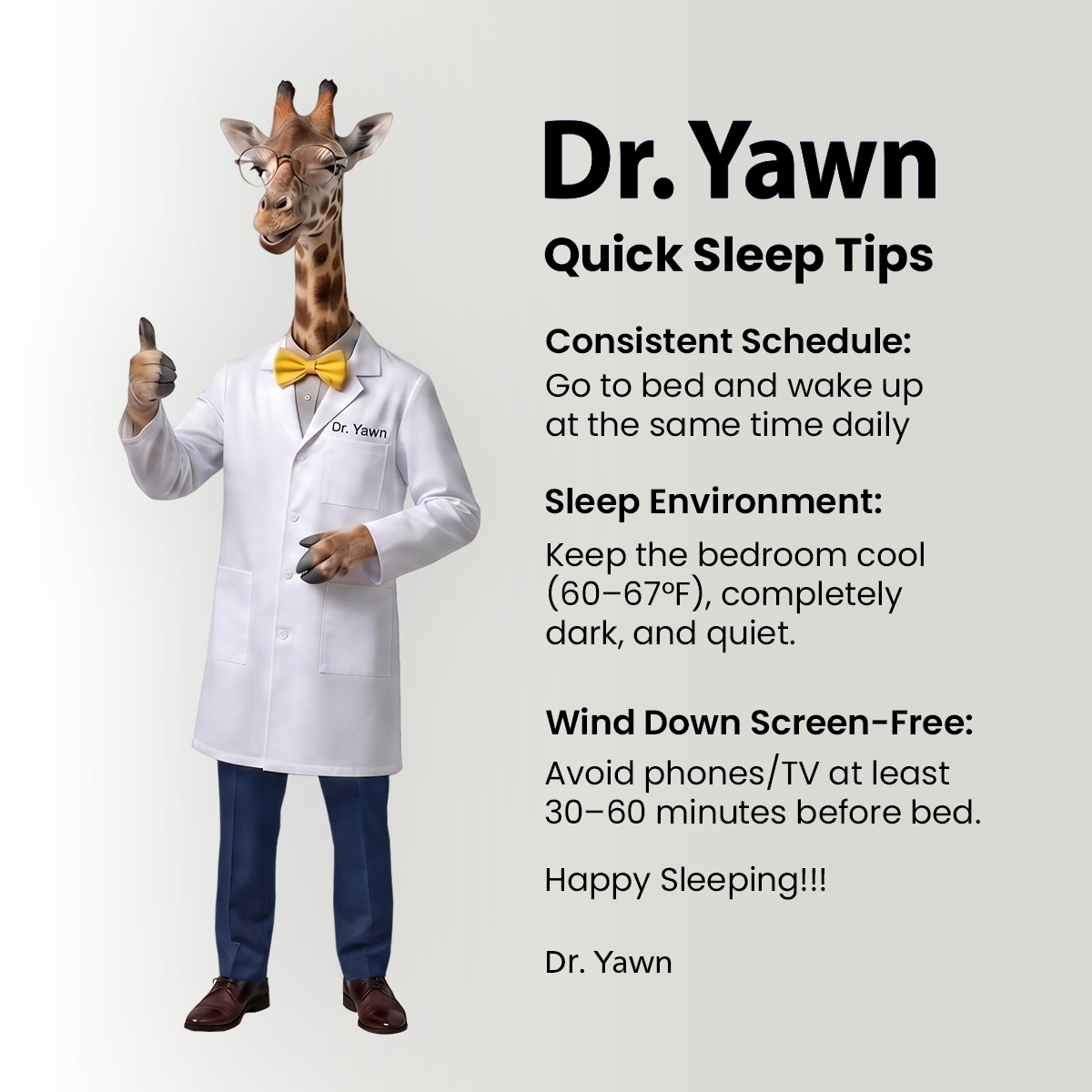
● Sleep hygiene Education: Good sleep hygiene helps patients create a comfortable sleep environment and effective bedtime routines to regulate sleep. It includes adjusting your sleeping space’s temperature, light, and noise access; avoiding stimulants (like caffeine and alcohol) close to bedtime; cutting down screen time before bed; sleeping and waking up at regular hours every day.
● Bright Light Therapy (Phototherapy): This technique is for people who have trouble falling asleep at night and waking up in the morning; the timing of light exposure can help them regulate what time they sleep and wake up. They can do that with artificial lights that automatically turn on at set hours or slightly open curtains that allow natural light to enter the room early in the morning.
The bidirectional relationship between sleep and psychosis can push a person down an endless rabbit hole. A good night’s sleep gives you better control over your mental health and more power to pull yourself back into reality.
References:
- Arciniegas D. B. (2015). Psychosis. Continuum (Minneapolis, Minn.), 21(3 Behavioral Neurology and Neuropsychiatry), 715–736. https://doi.org/10.1212/01.CON.0000466662.89908.e7
- Kaskie, R. E., Graziano, B., & Ferrarelli, F. (2017). Schizophrenia and sleep disorders: links, risks, and management challenges. Nature and science of sleep, 9, 227–239. https://doi.org/10.2147/NSS.S121076
- Mondal, G., Bajaj, V., Goyal, B. L., & Mukherjee, N. (2018). Prevalence of sleep disorders and severity of insomnia in psychiatric outpatients attending a tertiary level mental health care facility in Punjab, India. Asian journal of psychiatry, 32, 8–13. https://doi.org/10.1016/j.ajp.2017.11.012
- Bagautdinova, J., Mayeli, A., Wilson, J. D., Donati, F. L., Colacot, R. M., Meyer, N., Fusar-Poli, P., & Ferrarelli, F. (2023). Sleep Abnormalities in Different Clinical Stages of Psychosis: A Systematic Review and Meta-analysis. JAMA psychiatry, 80(3), 202–210. https://doi.org/10.1001/jamapsychiatry.2022.4599
- Fekih-Romdhane F, Hallit S, Cheour M, Jahrami H. The nature, consequences, mechanisms, and management of sleep disturbances in individuals at-risk for psychosis. Front Psychiatry. 2022;13. Accessed April 18, 2023. https://www.frontiersin.org/articles/10.3389/fpsyt.2022.1011963
- Yazıhan, N. T., & Yetkin, S. (2020). Sleep, sleep spindles, and cognitive functions in drug-naive patients with first-episode psychosis. Journal of clinical sleep medicine : JCSM : official publication of the American Academy of Sleep Medicine, 16(12), 2079–2087. https://doi.org/10.5664/jcsm.8776
- Reeve, S., Nickless, A., Sheaves, B., Hodgekins, J., Stewart, S. L. K., Gumley, A., Fowler, D., Morrison, A., & Freeman, D. (2019). Sleep duration and psychotic experiences in patients at risk of psychosis: A secondary analysis of the EDIE-2 trial. Schizophrenia research, 204, 326–333. https://doi.org/10.1016/j.schres.2018.08.006
- Waters, F., Chiu, V., Atkinson, A., & Blom, J. D. (2018). Severe Sleep Deprivation Causes Hallucinations and a Gradual Progression Toward Psychosis With Increasing Time Awake. Frontiers in psychiatry, 9, 303. https://doi.org/10.3389/fpsyt.2018.00303
- Wang, D., Ma, Z., Zhai, S., Sun, M., & Fan, F. (2023). Sleep disturbance and psychotic-like experiences among urban adolescents with and without parental migration. Frontiers in public health, 10, 1037963. https://doi.org/10.3389/fpubh.2022.1037963
- Zhou, X., Ferguson, S. A., Matthews, R. W., Sargent, C., Darwent, D., Kennaway, D. J., & Roach, G. D. (2011). Sleep, wake and phase dependent changes in neurobehavioral function under forced desynchrony. Sleep, 34(7), 931–941. https://doi.org/10.5665/SLEEP.1130
- Ashton, A., & Jagannath, A. (2020). Disrupted Sleep and Circadian Rhythms in Schizophrenia and Their Interaction With Dopamine Signaling. Frontiers in neuroscience, 14, 636. https://doi.org/10.3389/fnins.2020.00636
- Auger, R. R., Goodman, S. H., Silber, M. H., Krahn, L. E., Pankratz, V. S., & Slocumb, N. L. (2005). Risks of high-dose stimulants in the treatment of disorders of excessive somnolence: a case-control study. Sleep, 28(6), 667–672. https://doi.org/10.1093/sleep/28.6.667
- Lim, M. M., Xu, J., Holtzman, D. M., & Mach, R. H. (2011). Sleep deprivation differentially affects dopamine receptor subtypes in mouse striatum. Neuroreport, 22(10), 489–493. https://doi.org/10.1097/WNR.0b013e32834846a0
- Howes, O. D., Montgomery, A. J., Asselin, M. C., Murray, R. M., Valli, I., Tabraham, P., Bramon-Bosch, E., Valmaggia, L., Johns, L., Broome, M., McGuire, P. K., & Grasby, P. M. (2009). Elevated striatal dopamine function linked to prodromal signs of schizophrenia. Archives of general psychiatry, 66(1), 13–20. https://doi.org/10.1001/archgenpsychiatry.2008.514
- Chin, W. C., Liu, F. Y., Huang, Y. S., Hsiao, I. T., Wang, C. H., & Chen, Y. C. (2021). Different positron emission tomography findings in schizophrenia and narcolepsy type 1 in adolescents and young adults: a preliminary study. Journal of clinical sleep medicine : JCSM : official publication of the American Academy of Sleep Medicine, 17(4), 739–748. https://doi.org/10.5664/jcsm.9032
- Karna B, Sankari A, Tatikonda G. Sleep Disorder. StatPearls Publishing; 2023. Accessed April 19, 2023. https://www.ncbi.nlm.nih.gov/books/NBK560720/
- Chung, K. H., Li, C. Y., Kuo, S. Y., Sithole, T., Liu, W. W., & Chung, M. H. (2015). Risk of psychiatric disorders in patients with chronic insomnia and sedative-hypnotic prescription: a nationwide population-based follow-up study. Journal of clinical sleep medicine : JCSM : official publication of the American Academy of Sleep Medicine, 11(5), 543–551. https://doi.org/10.5664/jcsm.4700
- Hwang, D. K., Nam, M., & Lee, Y. G. (2019). The effect of cognitive behavioral therapy for insomnia in schizophrenia patients with sleep Disturbance: A non-randomized, assessor-blind trial. Psychiatry research, 274, 182–188. https://doi.org/10.1016/j.psychres.2019.02.002