
How Exactly Does Winter Affect Sleep Patterns? | Daylight and Circadian Rhythm |
How Does Morning Light Affect Sleep Patterns in Winter? | What’s Winter Depression? | How to Get Great Sleep During Winter | What’s the Takeaway?
Overview
We know that morning light feels great on your skin and is an excellent source of vitamin D, but not many people know that it can help you sleep better at night. Similarly, sunlight deprivation may be linked to worsening sleep patterns and mood disturbances.
Investigators from the University of Washington, Seattle, link the relationship between sleep and weather to the amount of sunlight available. According to their study, students sleep later and wake later during winter months.[1]
During winter, we experience an abundance of sunless clouds and spend much of the day in gloom and darkness. This lack of light can send the wrong signals to our bodies, disrupting our sleep patterns and making sleep harder to find. Furthermore, people are less likely to be outside on a cold winter morning than in summer or spring.
How Exactly Does Winter Affect Sleep Patterns?
In a study involving Indian research subjects living in Antarctica,[2] investigators realized that seasonal changes and winter, in particular, may negatively affect sleep efficiency.
During the research period, the subjects suffered a significant reduction in sleep efficiency, which they measured through parameters such as sleep latency, time spent in the four sleep stages, and duration of waking periods after sleep onset.
- Sleep Latency: This term is the time to fall asleep after turning off the lights or getting into bed. The subjects of this study experienced longer latency periods, which translates to less efficient sleep.
- Time Spent in the Four Sleep Stages: Sleep occurs in two main phases; Non-Rapid Eye Movement and Rapid Eye Movement (REM) Sleep. Although both are essential, NREM (especially stage 3 or deep wave sleep) is more important for good, restful sleep and memory consolidation. During winter months, you spend more time in REM than in NREM, and this may account for the easy sleep disturbance witnessed in winter months.
- Duration of Waking Periods After Sleep Onset: Because you spend less time in NREM and more time in REM sleep, you can easily be woken up by noise or other disturbances. This same study concludes that it is harder to fall back asleep after being disturbed during the colder months.
Daylight and Circadian Rhythm
Surely, sunlight is essential for photosynthesis and the survival of humankind, but that is not the only thing the sun does.
Recent studies show that daylight influences sleep, mood, and behavior.[2] These findings form the baseline for the recommendation of light therapy in treating many conditions, including winter depression.
The relationship between daylight and the circadian rhythm begins at the retina. Daylight stimulates the intrinsically photosensitive retinal ganglion cells (ipRGCs), which then project to the circadian cycle, which uses this information to influence your sleep-wake cycle, alertness, and mood.[3]

How Does Morning Light Affect Sleep Patterns in Winter?
Quick note; not just any light will cut it. Daylight can be the simple solution to your winter restlessness and poor sleep patterns. You get the best of winter sleep when you spend at least 30 minutes in the morning sunlight.
Early exposure to the sun recalibrates your circadian rhythm such that your circadian cycle starts when the day begins. As a result, you’ll find it easier to fall asleep at night. Each hour of morning light exposure corrects your circadian rhythm by 30 minutes. Interestingly, this finding holds true even for winter days with cloudy mornings.
So, it doesn’t matter if you think it’s not bright enough; get out there anyway.
What’s Winter Depression?
Winter sleep pattern disturbances are a dime a dozen. It may manifest as difficulty falling asleep, waking up frequently during sleep, or not feeling well-rested on waking. Any of these can cause mood disturbances.
Winter depression, medically called Seasonal Affective Depression (SAD), is a daylight-related mood disorder characterized by fatigue, depression, and even social withdrawal. Winter depression occurs in months with limited sunlight. If you notice mood depression around the same time every year, you may have winter depression.
Luckily, we can correct winter depression through light therapy,[4] consisting of natural and artificial light sources.
How to Get Great Sleep During Winter
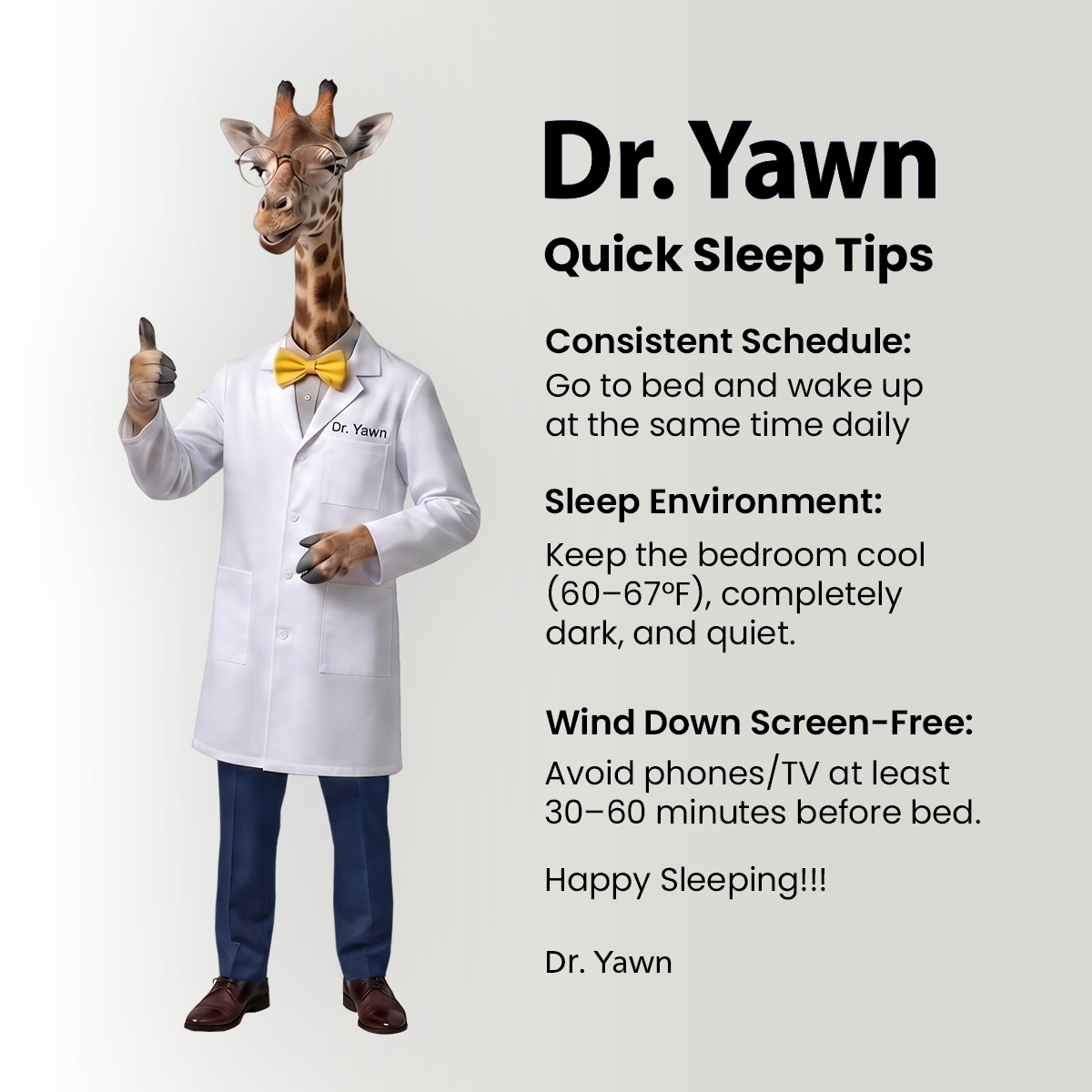
These tips can help you sleep well during any time of the year, but they are all the more important during winter.
1) Spend More Time Outdoors
As discussed earlier, light exposure can improve the quality of your sleep by recalibrating your circadian rhythm. Morning and midday light is more effective in promoting healthy sleep patterns, while evening light exposure may worsen sleeplessness.
Spend at least 30 minutes daily outdoors, especially during winter, to prevent sleep disorders and preserve sleep efficiency.
2) Don’t Lie Down Immediately After Eating
The sleepiness you feel immediately after eating a heavy meal is called the postprandial effect. One theory is that blood flow is redirected from the head to the gastrointestinal tract (GIT), which absorbs and distributes food. However, recent studies do not support this theory.
Though tempting, sleeping immediately after eating can make it more difficult to fall asleep at night and may predispose you to conditions such as GERD.
3) Create a Simple Routine
Routines are great for your circadian rhythm. Set a daily reminder to wind down so you can fall asleep at roughly the same time every day and wake up at a predetermined time.
If you have a stable routine, your sleep patterns will eventually fall in line, with or without alarms and reminders.
In addition to receiving morning light, routines can determine when you begin to feel sleepy.
4) Get an Outdoor Lamp for Winter
Your doctor may recommend a special bright lamp for winter depression. These outdoor lamps have blue waves that mimic natural light. They can stimulate your circadian rhythm, just like natural light would.
What’s the Takeaway?
It’s no coincidence that you sleep less during winter or that the quality of your sleep drastically reduces during the colder, darker months. There is a clearly defined relationship between the weather and your ability to sleep well.
Light exposure, especially early morning light, corrects your circadian rhythm, which is responsible for your sleep-wake cycle. People who find it hard to fall asleep or wake up late can benefit from phototherapy.
References:
- Dunster, GP, Hua, I, Grahe, A, et al. Daytime light exposure is a strong predictor of seasonal variation in sleep and circadian timing of university students. J Pineal Res. 2022;e12843. doi:10.1111/jpi.12843
- Bhattacharyya, M., Pal, M. S., Sharma, Y. K., & Majumdar, D. (2008). Changes in sleep patterns during prolonged stays in Antarctica. International journal of biometeorology, 52(8), 869–879. https://doi.org/10.1007/s00484-008-0183-2
- Wirz-Justice, A. (2022). How Daylight Controls the Biological Clock, Organises Sleep, and Enhances Mood and Performance. In: Jucker, R., von Au, J. (eds) High-Quality Outdoor Learning. Springer, Cham. https://doi.org/10.1007/978-3-031-04108-2_10
- Wirz-Justice, A., Skene, D. J., & Münch, M. (2021). The relevance of daylight for humans. Biochemical pharmacology, 191, 114304. https://doi.org/10.1016/j.bcp.2020.114304